
Government Criticises Airtel, TNM Over Unlawful Data Tariff Hike
Government has criticised telecommunications operators Airtel Malawi and TNM for implementing a data tariff increase without following the legal procedures required to protect consumers.
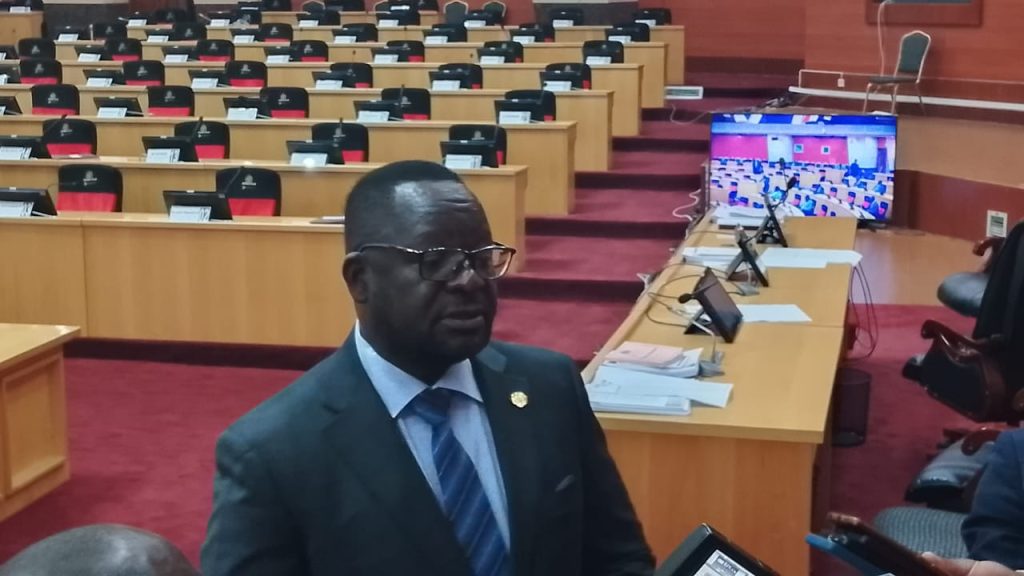
The issue was raised in Parliament on Friday by Lilongwe Nsinja legislator Francis Belekanyama, who expressed concern over the recent rise in data prices and its impact on Malawians.
Responding to the concerns, Minister of Information and Digitalisation Shadreck Namalomba said Airtel and TNM had initially submitted a proposal to the Malawi Communications Regulatory Authority (MACRA) seeking an average 56 percent increase in data tariffs.
Namalomba explained that after reviewing the proposal and considering both consumer protection and the sustainability of the telecommunications companies, MACRA approved only an average increase of 20 percent.
He said, however, that both operators breached the law by implementing the approved tariffs immediately without first giving consumers the mandatory seven-day notice.
“Both Airtel and TNM were required to advertise the approved tariff adjustments in newspapers and allow consumers to provide feedback during the seven-day notice period before the new prices took effect. Instead, they implemented the adjustments immediately,” Namalomba said.
The minister disclosed that after identifying the breach, MACRA summoned the two operators and directed them to restore the seven-day notice period. He added that customers who purchased data bundles during the unlawful implementation period would be compensated.
“Both Airtel and TNM have agreed to refund affected customers, and the compensation process is expected to be completed by the end of this month,” he said.
Namalomba said the government’s role is to strike a balance between protecting consumers and ensuring that investors remain viable enough to continue providing telecommunications services.
He further revealed that government is working to attract additional telecommunications service providers into the market to increase competition and ultimately reduce the cost of data services.
In his contribution, Belekanyama argued that rising data costs undermine government’s commitment to making essential services affordable and accessible.
He noted that many young people depend on mobile data for education, access to information, business and financial inclusion, yet many Malawians cannot afford the increasing costs.
“The increase in data prices affects financial inclusion, economic participation and affordability. We cannot continue raising data prices when young people are struggling to find opportunities and businesses are failing to generate enough income to afford internet services,” he said.
Belekanyama said he was not satisfied with the minister’s response, arguing that the main issue is not the percentage increase itself but what government is doing to improve people’s incomes so that they can afford essential services such as mobile data.