Afrobarometer: 60% of Malawians say country is heading in wrong direction
Six in every 10 Malawians believe the country is heading in the wrong direction, amid growing concerns over economic conditions and the performance of elected leaders, according to the latest Afrobarometer survey.
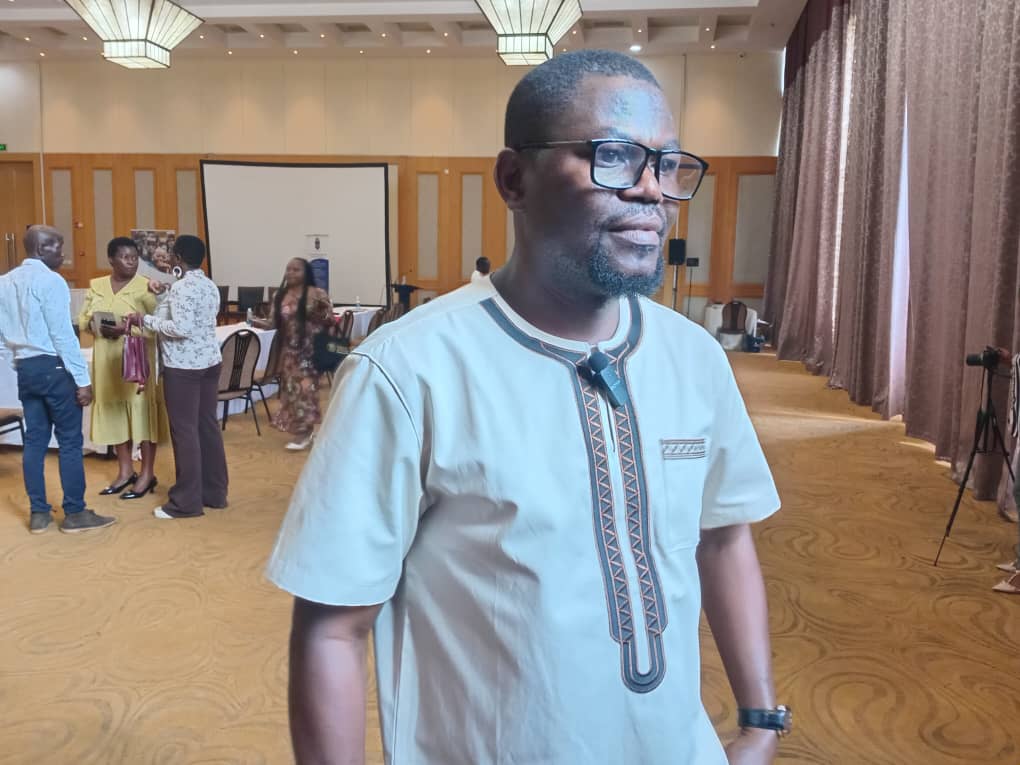
Presenting the findings during a stakeholder engagement in Lilongwe on Thursday, Afrobarometer National Investigator in Malawi Joseph Chunga said 60 percent of respondents felt the country’s economic situation was deteriorating.
However, Chunga said the survey had also registered a gradual increase in the number of Malawians expressing optimism about the country’s economic prospects.
“While the majority still feel that the country is going in the wrong direction, the results suggest that the proportion of people who are optimistic about the country’s conditions is increasing,” he said.
The findings further revealed mixed public perceptions of government economic management, with approximately 53 percent of respondents expressing satisfaction with the government’s performance in managing the economy.
Chunga also disclosed that the proportion of Malawians who believed the country was heading in the wrong direction had declined by 16 percentage points compared with the previous survey.
On economic policy, he said the research examined public attitudes towards foreign exchange management and possible devaluation of the Malawi Kwacha.
He said most respondents opposed devaluation, preferring alternative measures to address persistent foreign exchange shortages.
On fuel, Malawians wanted government to prioritise consistent availability while ensuring that prices remained affordable. Respondents also called for affordable agricultural inputs, particularly fertiliser, to support farming and food production.
Regarding governance, the survey showed that while Malawians recognise the importance of Parliament’s oversight role, satisfaction with individual elected representatives remained relatively low.
Only 36 percent of respondents expressed satisfaction with the performance of their Members of Parliament, while 38 percent approved of the President’s performance.
Local councillors received an even lower approval rating, with only 30 percent of respondents satisfied with their performance.
“I would extend this to say that we have a wider problem because only 38 percent think the President is doing a good job, while 30 percent say local councillors are doing a good job. The picture seems to suggest that we have a wider problem regarding how elected leaders are delivering to the expectations of the people,” Chunga said.
The survey also explored political party affiliation, identifying supporters of the Malawi Congress Party (MCP) and the Democratic Progressive Party (DPP) as the two major political groupings, alongside respondents who said they had no political party affiliation.
Explaining the methodology, Chunga said Afrobarometer conducts nationally representative surveys targeting citizens aged 18 and above.
He said the latest survey interviewed 1,200 adults across Malawi, although the organisation sometimes increases the sample to 2,400 respondents depending on research requirements.
Meanwhile, Institute for Policy Research and Social Empowerment (IPRSE) Director Dr Henry Chingaipe said political considerations often influence economic policymaking, particularly when decisions have direct consequences for people’s livelihoods and electoral support.
Chingaipe observed that decisions on taxation, fuel prices, foreign exchange and public expenditure were not purely economic, as they also carried significant political implications.
He said governments sometimes postpone difficult economic decisions because of fears that they could trigger public dissatisfaction and undermine political support.
Citing fuel pricing, Chingaipe argued that the previous administration delayed adjusting fuel prices partly because of the potential political consequences of increasing the cost of living.
“For instance, the previous regime delayed making decisions to raise fuel prices because politically it was dangerous. Once fuel prices go up, everything else becomes expensive, and when elections are approaching, the economic pressure can cost a government its support,” he said.
He further questioned whether devaluing the Kwacha would necessarily resolve foreign exchange shortages, warning that the move could expose consumers to further price increases if foreign currency supplies failed to improve.
Chingaipe said government needed to consider alternative measures and the possible consequences of currency devaluation before implementing such a policy.
The findings highlight public concerns over economic management, the cost of living and the accountability of elected leaders, as Malawi continues to face economic challenges.