
Digitalisation Tops Government Investment Agenda
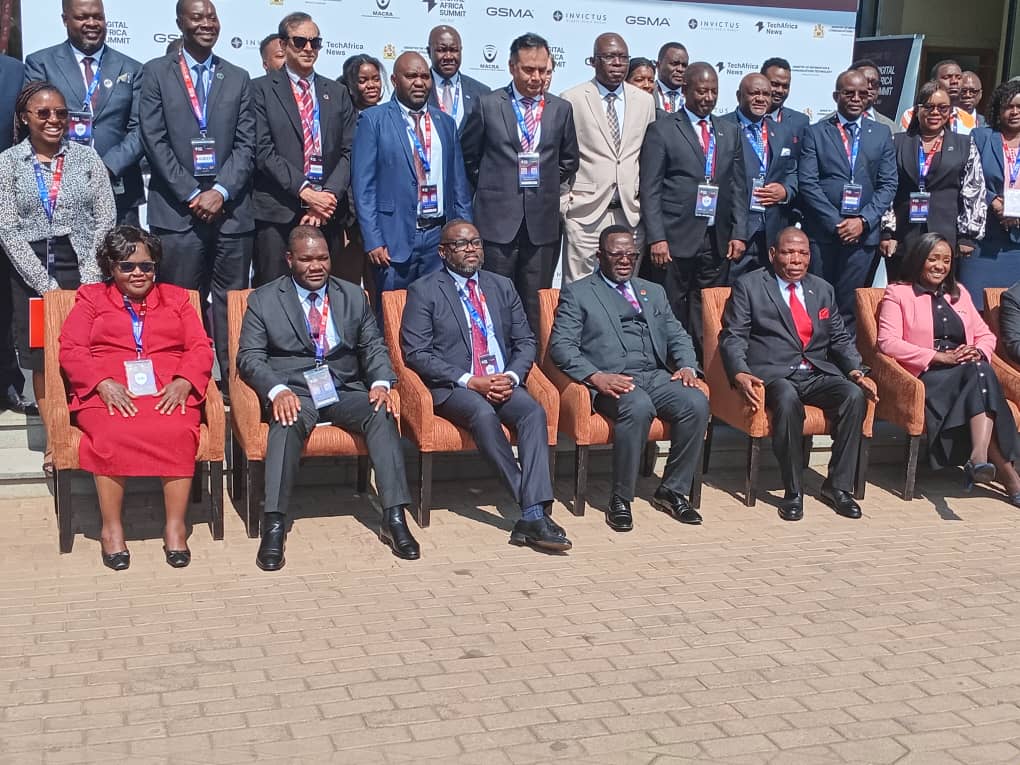
Government has reaffirmed its commitment to accelerating Malawi’s digital transformation, with increased investment planned to expand connectivity, improve digital access and strengthen the use of technology in public services.
Minister of Finance, Economic Planning and Decentralisation Joseph Mathyola Mwanamvekha said government had already allocated programmes and resources towards digitalisation in the 2026–2027 national budget.
Mwanamvekha was speaking during the Digital Africa Summit Malawi held in Lilongwe on Thursday.
He said Malawi is also expected to receive about US$150 million in development support from the World Bank for projects focused on digitalisation, while bilateral partners, including China, are supporting initiatives such as last-mile connectivity.
According to Mwanamvekha, digitalisation has the potential to make public resources more efficiently used while increasing government revenue without necessarily raising tax rates.
“When you digitalise, it means there will be efficient use of resources, and even revenues may increase without necessarily increasing the tax rate,” Mwanamvekha said.
He assured Malawians that the Ministry of Finance would continue supporting digitalisation because of its potential to improve service delivery and economic efficiency.
Mwanamvekha, however, said government would review taxes and levies that may hinder digitalisation once the economy stabilises.
He cautioned against relying solely on tax reductions to expand digital access, saying infrastructure, network coverage and digital literacy were equally important.
Using Rwanda as an example, he noted that the country has a VAT and excise tax rate of 18 percent but has significantly higher internet and mobile penetration.
“It is not about taxes alone. There are many other factors that need to be considered,” he said.
Mwanamvekha also called for a review of other costs that discourage internet use, including mobile money charges and tariffs imposed by the Malawi Communications Regulatory Authority (MACRA).
Meanwhile, Minister of Communication and Digitalisation Technology Shadreck Namaloba said limited internet penetration and persistent call drops were being caused by several factors, including inadequate investment in telecommunications infrastructure.
Namaloba said demand for telecommunications services was growing faster than investment, while limited access to foreign exchange had made it difficult for operators to expand and upgrade their networks.
He said mobile communication technology requires regular infrastructure upgrades, which require substantial financial resources, particularly foreign currency.
Namaloba added that government was considering measures to make smartphones more affordable by reducing or removing taxes contributing to their high cost.
Research presented at the summit indicates that only about 30 percent of Malawians currently use smartphones and access the internet, underscoring the need for increased investment to close the country’s digital divide.