
World Bank to roll out AI-powered Chichewa language database in Malawi
The World Bank has unveiled plans to establish an Artificial Intelligence (AI) Chichewa language database in Malawi, a move aimed at ensuring Chichewa speakers are not left behind in the rapidly evolving digital age.
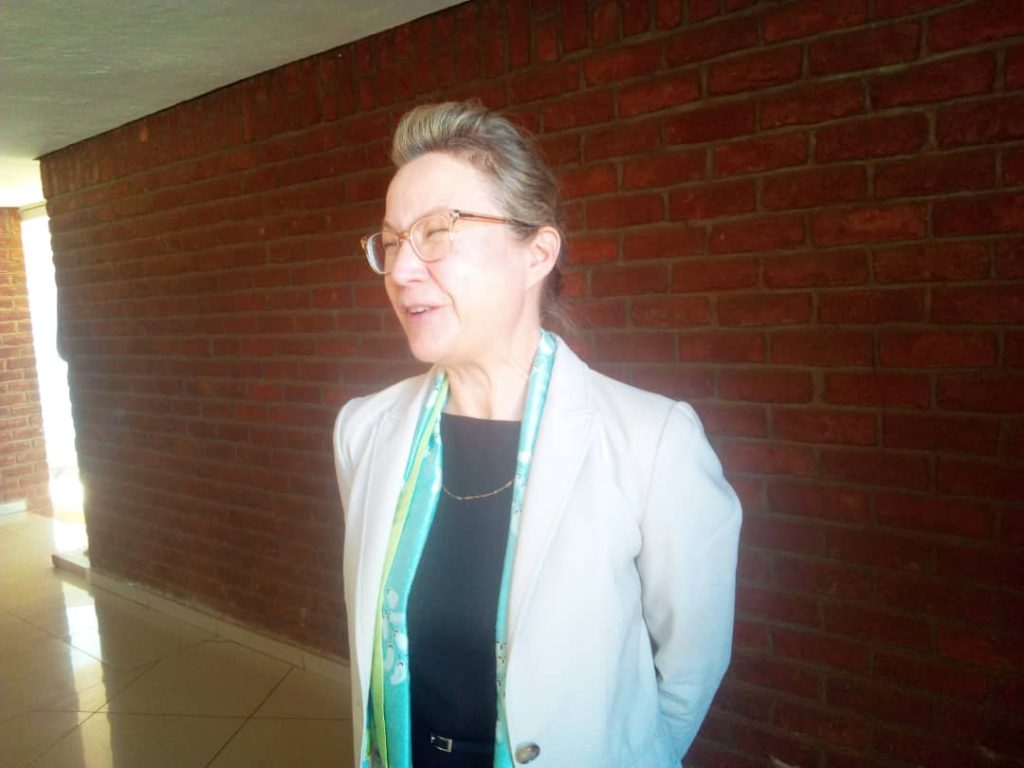
Speaking during a stakeholders’ meeting in Lilongwe on Tuesday, World Bank Programme Manager for the Development Data Partnership, Holly Krambeck said the initiative will create a comprehensive Chichewa dataset to train AI models and bridge existing language barriers in technology.
Krambeck explained that the project will pave the way for innovative AI applications, including voice-based toll-free services that will allow Malawians to access information on issues such as fertilizer subsidies and public services using Chichewa.
She said the initiative will also unlock valuable Chichewa content from media houses and government archives, creating a trusted database that researchers, developers and companies can use to build AI solutions.
According to Krambeck, Malawi is the first country globally to pilot the model. She noted that implementation is expected to take more than a year as stakeholders work with government and media institutions to establish the framework for the data trust.
She further disclosed that discussions are underway with major technology firms subscribers and utilize the Chichewa language content once the database is operational.
Meanwhile, Feston Kaupa said the database will significantly improve access to information for Malawians by making online content available in local languages. He said sectors such as agriculture, education, extension services and governance stand to benefit from more localized digital resources.
Also speaking at the event, Rachael Sibande said the Foundation is supporting efforts to collect about 7,000 hours of Chichewa-language content from radio stations to help train AI models.
She said the initiative will enable people, including farmers and students in remote areas, to interact with AI-powered applications in their own language, making technology more accessible and inclusive.