SHA Conducts Study on Motivation and Barriers to Hygiene in Dowa
Self Help Africa (SHA) says Malawi has made significant progress in expanding access to water. However, the organization notes that functionality challenges have forced many communities to continue relying on unsafe water sources, increasing the burden on women. Sanitation progress remains limited, with only 49.5 percent of the population accessing basic sanitation services, while 2.93 percent still practice open defecation.
Despite widespread awareness campaigns, SHA reports that only 12.5 percent of the population washes hands with soap at critical times, and a mere 0.3 percent of households have proper handwashing facilities. The organization says this remains a major barrier to the adoption of hygiene practices, contributing to the spread of diarrheal diseases, especially among children under five.
To address these challenges, SHA commissioned a study in Dowa District to explore the motivations and barriers influencing hygiene practices. The study aimed to provide insights that will guide strategies for improving handwashing adoption and ensuring the sustainability of hygiene interventions in future programs.
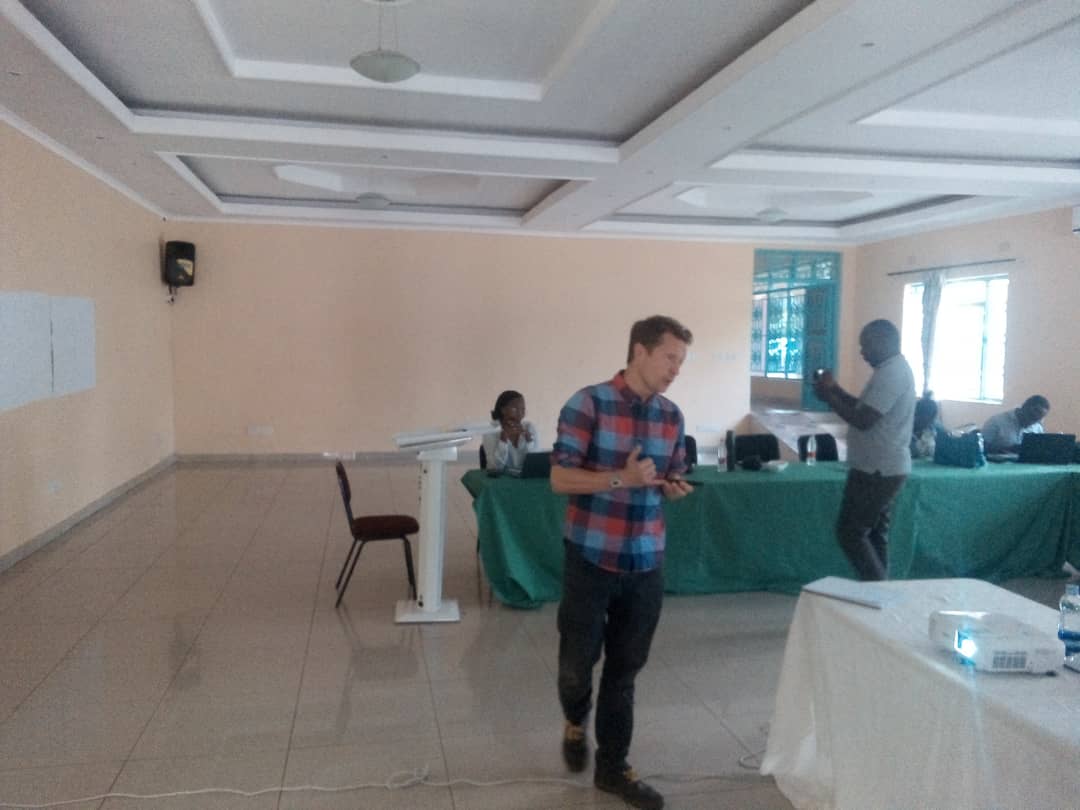
Presenting the findings to the District Coordination Team (DCT) in Dowa, Will Tillett, Global WASH Advisor for SHA, said the study’s main objective was to identify the key motivating factors that influence individuals to adopt and maintain good hygiene practices.
Tillett explained that the research also sought to understand the barriers preventing people from practicing good hygiene despite being aware of its importance, and to recommend effective strategies that can enhance motivation and reduce such barriers.
According to the study, handwashing emerged as the most widely recognized hygiene practice. However, there is low awareness of menstrual hygiene and limited community hygiene education, highlighting significant cultural and informational gaps.
Tillett noted that the main barriers to good hygiene in Dowa include the high cost of hygiene products, limited access to clean water, inadequate sanitation facilities, lack of information and education, time constraints, and cultural beliefs.
“Poor hygiene practices contribute significantly to the transmission of infectious diseases in the country,” said Tillett.
He added that the study provided several recommendations to strengthen motivation for improved hygiene in Dowa District. These include enhanced health-based messaging, leveraging social influence and peer networks, and improving accessibility to hygiene facilities.
Tillett further recommended tailoring hygiene messages to cultural and religious contexts and enhancing hygiene education through schools and the media to reach more people, including those in hard-to-reach areas of Dowa District.