Malawi Loses $700 Million Annually to Gold Smuggling – MAMICO

Malawi could be losing an estimated $700 million annually through gold smuggling, with the absence of a reliable formal market forcing artisanal and small-scale miners to sell the precious mineral to illegal buyers, the Malawi Mining Investment Company (MAMICO) has said.
MAMICO Chief Executive Officer Leonard Kalindekafe said the country could significantly boost its foreign exchange earnings by establishing an effective gold-buying system that allows local miners to sell their produce through official channels.
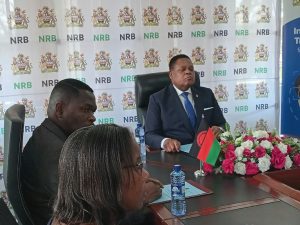
Kalindekafe made the remarks on Friday when Minister of Mining Thoko Tembo visited MAMICO offices in Lilongwe to assess the company’s preparedness to purchase gold from local miners.
He said gold mining activities were taking place in more than 105 villages across Malawi, but much of the mineral was reportedly being smuggled out of the country because miners lacked reliable alternative markets.
According to Kalindekafe, MAMICO’s assessment indicates that many artisanal and small-scale miners are willing to sell their gold legally but are compelled to deal with illegal buyers due to the absence of accessible formal markets.
He said the company would require K85 billion to purchase gold over three months, based on its assessment of the quantities available from local miners, while approximately K300 billion would be needed to sustain purchases throughout the year.
Kalindekafe believes Malawi could generate up to $1 billion annually from gold mining if production and marketing systems were strengthened.
“We decided that for us to make a big impact on the economy of this country, they are going to buy gold from artisanal small-scale miners and sell it in the international market,” he said.
Tembo said the government wanted to ensure that gold produced in Malawi was channelled through legitimate markets rather than smuggled across the country’s borders.
He explained that the proposed gold-buying programme would help retain more of the mineral’s value within the formal economy, including potentially strengthening the country’s foreign exchange reserves through the Reserve Bank of Malawi.
“We can only close the loopholes if we start buying gold as a government because what is happening is that people are selling it to smugglers because they don’t have a market,” Tembo said.
The minister stressed that tackling gold smuggling would require cooperation between the Ministry of Mining, the Ministry of Finance, commercial banks, the private sector and MAMICO.

He said the government was also working on legislative changes intended to close loopholes that facilitate illegal gold trading, although the proposed reforms would take time because they must go through Parliament.
On financing, Tembo said the government planned to work with banks while also committing public funds to support the gold-purchasing initiative.
He argued that the challenge was not simply raising money but establishing an effective partnership between government, financial institutions and other stakeholders to ensure the programme operates successfully.
Tembo further said the government had set an attractive purchasing price intended to encourage artisanal and small-scale miners to sell their gold through official channels rather than to smugglers.
If successfully implemented, the initiative could give miners a legitimate market for their gold while helping Malawi retain more foreign exchange from its mineral resources.
However, the estimated $700 million in annual losses and the projected $1 billion in potential gold revenue are figures attributed to MAMICO’s leadership and have not been independently verified. The actual scale of gold production, smuggling and potential earnings would need to be established through reliable production and trade data.