UNDP Donates 150 Printers to Bring Civil Registration Services Closer to Malawians
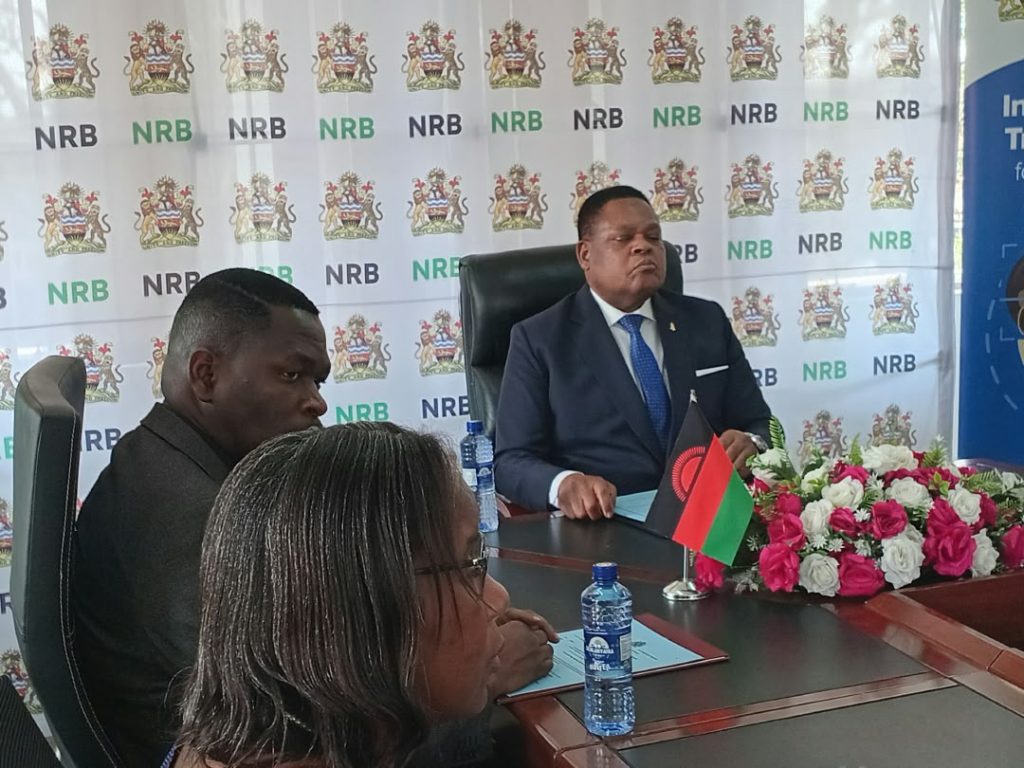
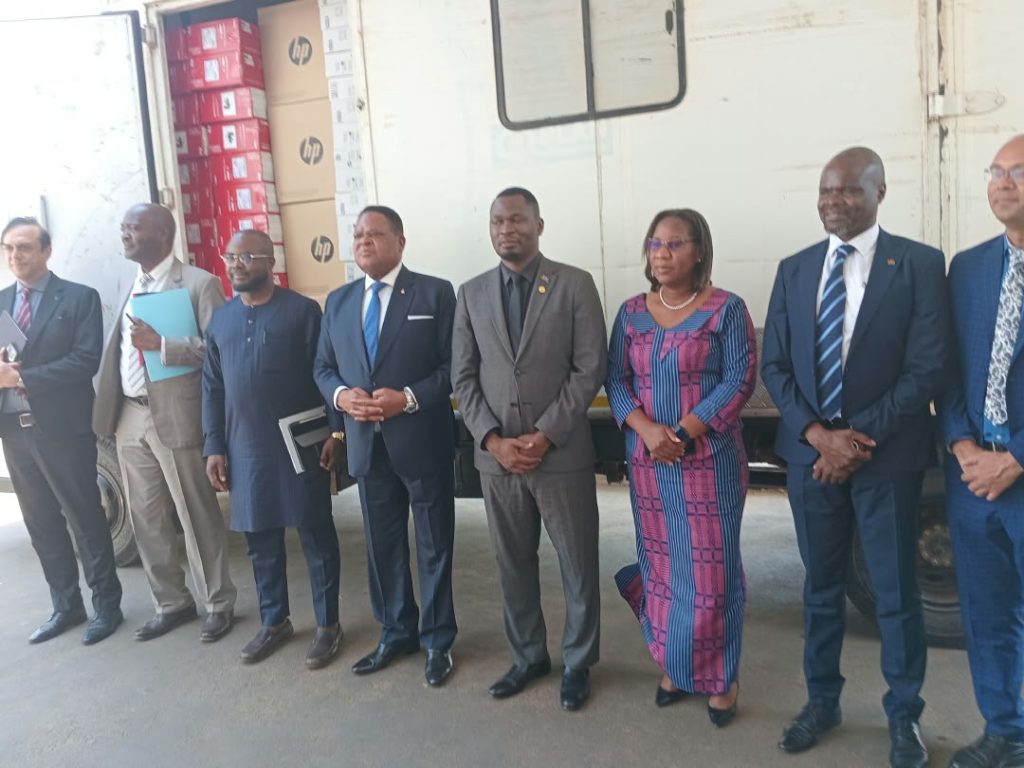
The United Nations Development Programme (UNDP) has donated 150 printers to the National Registration Bureau (NRB) to improve access to birth, marriage and death registration services across Malawi.
The equipment is expected to strengthen decentralised registration services, reducing the need for people to travel long distances to access essential government services.
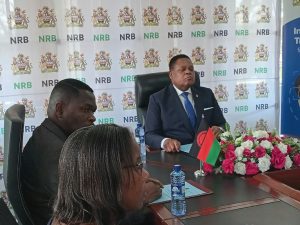
Minister of Homeland Security Peter Mukhitho said the donation would support Malawi’s digital transformation agenda and address challenges that continue to limit access to civil registration services.
He reaffirmed the government’s commitment to ensuring that every child is registered at birth and that marriages and deaths are properly documented.
Mukhitho, however, expressed concern over low death-registration figures, partly attributing the situation to limited public awareness of the importance of obtaining death certificates.
He said the government would intensify community sensitisation to encourage more people to register deaths and ensure that civil registration records capture important life events.
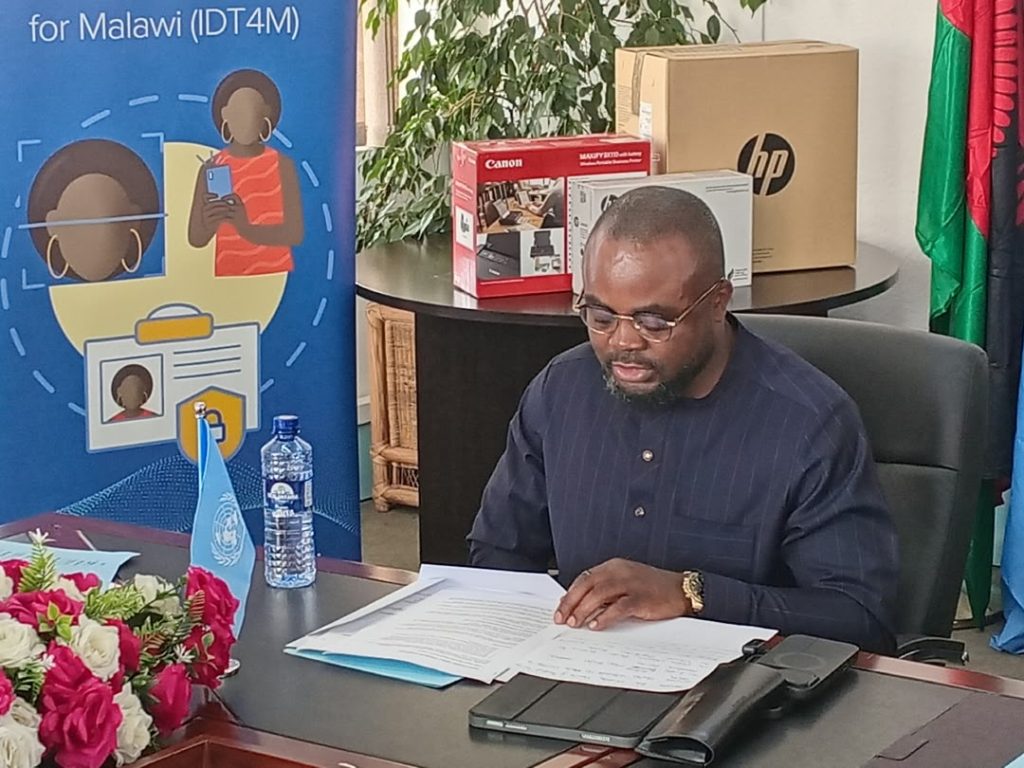
UNDP Deputy Resident Representative Chika Aniekwe said decentralising registration services would make them more accessible while reducing transport costs for households.
He explained that bringing services closer to communities would allow families to save money that would otherwise be spent travelling to registration centres.
Aniekwe also encouraged Malawians to embrace development initiatives supported by UNDP, including the Nzika Wallet programme, which aims to improve access to public services.
He said the 150 printers would be distributed across two sectors, including the Ministry of Health and the Ministry of Homeland Security through the NRB.
The donation is part of UNDP’s US$11 million Digital Transformation Programme, which supports four government ministries responsible for homeland security, health, digitalisation and communication technology, and gender, children, older persons, disability and social welfare.
The programme seeks to strengthen digital systems and improve access to essential public services, particularly for communities facing barriers to civil registration and other government services.