Dowa prepares for Measles-Rubella follow-up vaccination campaign
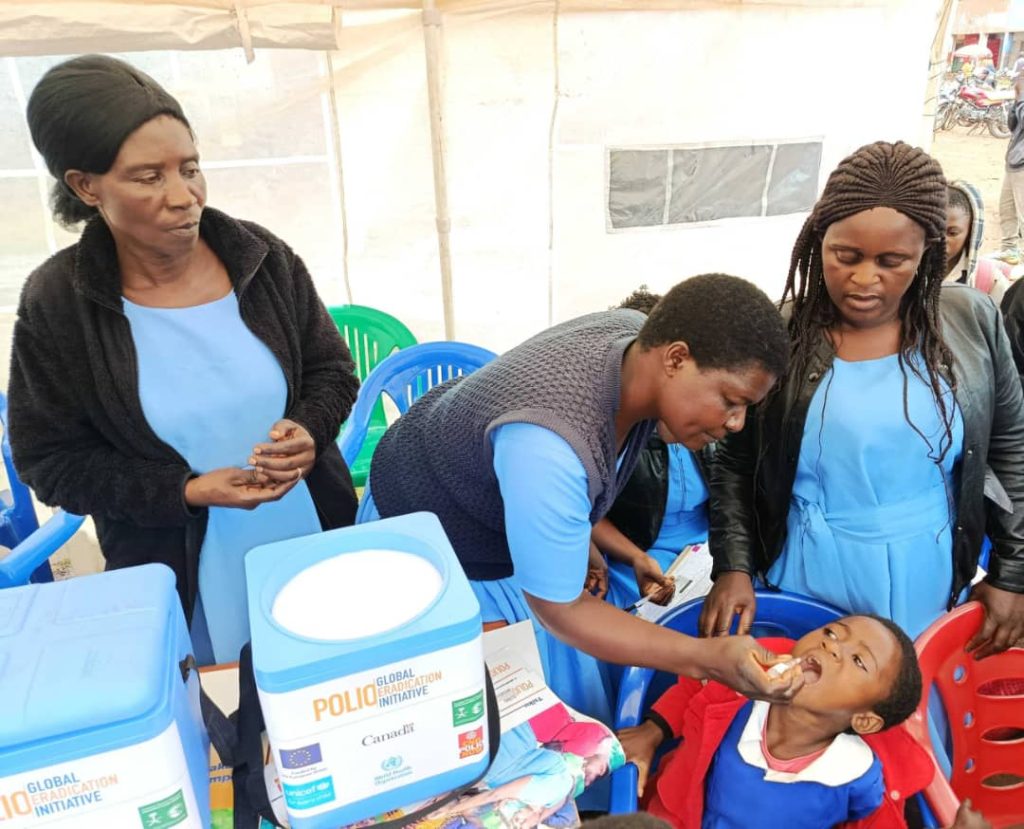
The Dowa District Health Office (DHO) is set to conduct a five-day Measles-Rubella (MR) follow-up vaccination campaign from September 21 to 25, 2026, targeting children aged nine months to nine years.
The campaign will also include Vitamin A supplementation for children aged six months to 59 months as part of efforts to strengthen child health and prevent vaccine-preventable diseases in the district.
The DHO says the five-day exercise will allow health authorities to reach as many eligible children as possible, using mobilisers drawn from existing community structures.
In schools, teachers will assist health workers in mobilising learners for vaccination. Each vaccinator is expected to administer vaccines to between 100 and 150 children at static, temporary and mobile vaccination sites.
Briefing the District Executive Committee (DEC) at a meeting held at Dowa Boma, Dowa District Hospital EPI Coordinator Precious Mlotha said national coverage for the first and second doses of the Measles-Rubella vaccine has remained below optimal levels over the years.
Mlotha said coverage for the second dose (MR2) has consistently remained below 80 percent since 2016, putting children under 10 years at increased risk of contracting the disease.
“The purpose of this campaign is to vaccinate more than 95 percent of the targeted children aged nine months to nine years in all districts, while also strengthening disease surveillance and case detection and reinforcing routine immunisation services to prevent future outbreaks,” said Mlotha.
He said the campaign would use fixed, outreach and mobile vaccination teams to ensure that children in hard-to-reach areas are not left behind.
Mlotha described measles as one of the most contagious diseases, stressing that maintaining high population immunity through vaccination is essential to preventing outbreaks.
“Measles is a highly infectious viral disease caused by the measles virus and is transmitted from person to person through respiratory droplets,” he said.
According to Mlotha, Malawi has recorded a significant measles outbreak, with more than 376 confirmed cases reported by August 2026. Some of the heavily affected districts are in the Central and Southern regions, including Nsanje, Chikwawa, Balaka, Lilongwe and Kasungu.
He urged communities to promptly report suspected measles cases to the nearest health facility, where they should be investigated within 24 hours and subsequently reported to the DHO.
Mlotha also said blood specimens should be collected within six days to one month after the onset of symptoms, which may include rash, fever, conjunctivitis and a running nose.
He further urged vaccinators to provide parents and caregivers with information on possible adverse reactions following vaccination, including when such reactions may occur, and to remind them about their children’s next routine immunisation appointments.
Globally, measles cases rose to an estimated 11 million in 2024, up from 10.34 million in 2023, resulting in approximately 95,000 deaths, primarily among unvaccinated or under-vaccinated children under five.
The Measles-Rubella follow-up campaign and Vitamin A supplementation exercise will be conducted nationwide with support from the World Health Organization (WHO), Gavi, the Vaccine Alliance, and UNICEF.