Kalitendere Throws Weight Behind Suleiman on Corruption Concerns
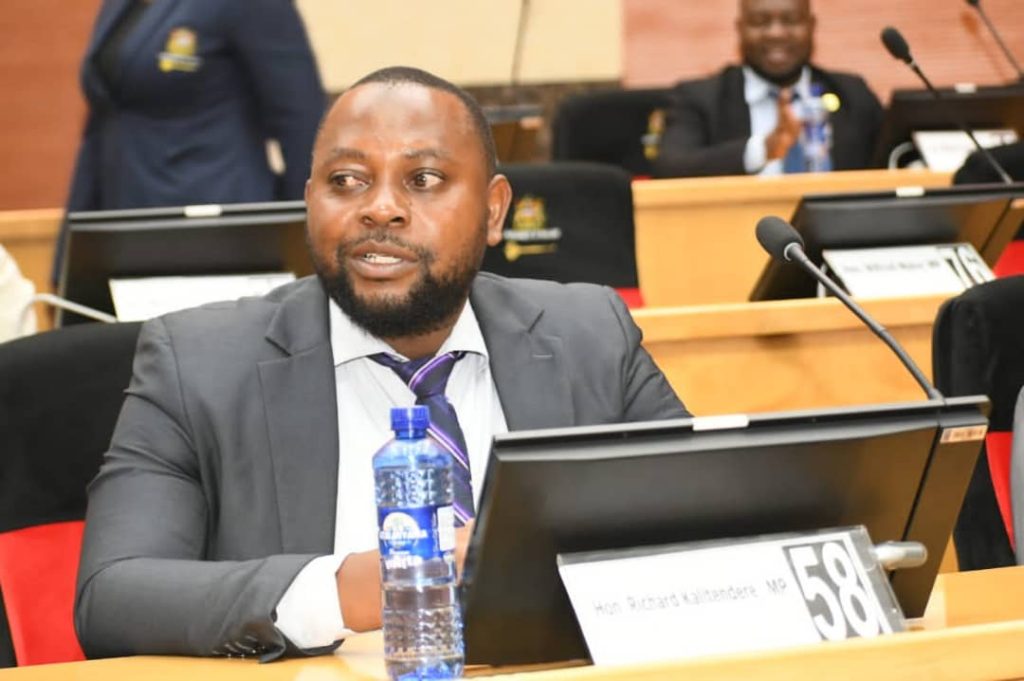
Democratic Progressive Party (DPP) Member of Parliament for Machinga South, Shukran Richard Kalitendere, has called for a united fight against corruption, backing Speaker of Parliament Sameer Suleiman’s concerns over alleged malpractice in government and state-owned enterprises (SOEs).
Kalitendere said the concerns raised by Suleiman deserved serious scrutiny, citing issues surrounding Blantyre Water Board, the Amaryllis Hotel deal, the National Oil Company of Malawi (NOCMA) and delays in granting local businessman Napoleon Dzombe a licence to manufacture fertiliser locally.
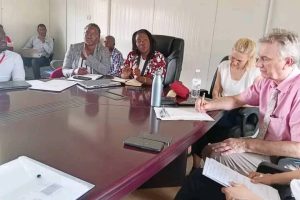
Speaking on Tuesday on the sidelines of a meeting of the Parliamentary Public Appointments Committee, Kalitendere urged political leaders to rise above partisan interests and prioritise national development.
“Let’s put politics aside, but speaking the truth, the Right Honourable Speaker is making a point that cannot be ignored,” he said.
The legislator warned that alleged corruption threatened public confidence in government institutions, arguing that Malawi needed a shift in political conduct to ensure that public office was used to serve citizens rather than advance personal interests.
He said corruption concerns should not be ignored simply because the country had experienced similar criticism under previous administrations, adding that questionable practices could persist within government systems even when the President was committed to national development.
Kalitendere urged leaders to remain accountable to the people who elected them, particularly marginalised communities that depend on public institutions and resources for their welfare.
“Malawi deserves leaders who put the country first, not their pockets. Let us rise above selfish interests and work together for the betterment of our nation. Our people deserve nothing less,” he said.
On Suleiman’s separate allegation that Muslims had been sidelined in Cabinet appointments, Kalitendere declined to comment extensively, saying he did not want his position to be interpreted as an attempt to secure a ministerial post.
However, he maintained that Muslims should also be considered in Cabinet appointments.
Regarding the alleged extent of corruption within Cabinet and state-owned enterprises, Kalitendere said he could not independently establish how widespread the problem was because he lacked evidence of his own.
He nevertheless maintained that Suleiman’s claims warranted attention and that the Speaker should provide evidence to substantiate the allegations.
The corruption debate has intensified following exchanges between Suleiman and government spokesperson Shadreck Namalomba, who has challenged the Speaker to produce evidence supporting his claims.
The unfolding dispute has renewed public attention on accountability, transparency and the management of public institutions in Malawi.