Jani Grey Kasunda Facilitates China-Malawi Cooperation as UHB Establishes School of Artificial Intelligence
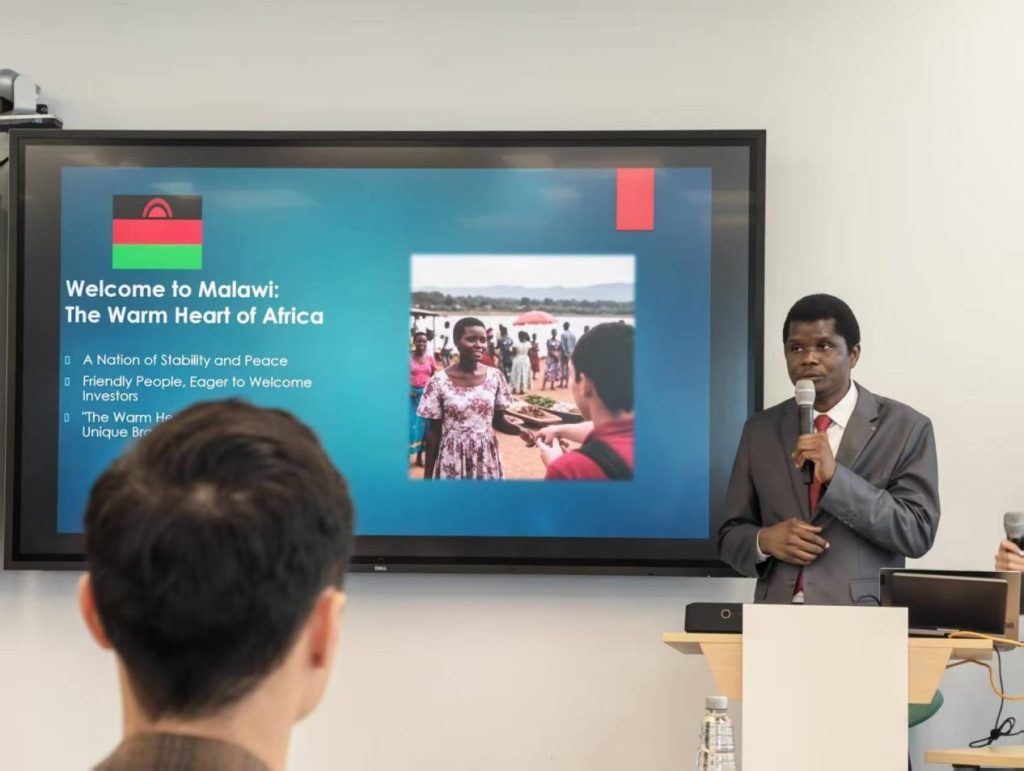
A landmark China-Malawi educational cooperation initiative has taken shape with the establishment of the School of Artificial Intelligence at the University of Hebron (UHB) in Lilongwe.
The initiative, spearheaded and facilitated by Malawian 2030 presidential candidate Jani Grey Kasunda, has brought together UHB and China’s Asian Business Research Institute in a partnership aimed at strengthening artificial intelligence education, digital skills development and technological innovation in Malawi.
On May 4, 2026, the Office of the Chancellor of the University of Hebron formally appointed Professor Huang Weijian, Deputy Vice President of Gonggong News Agency and a professor at the Asian Business Research Institute, as the founding Dean of the new School of Artificial Intelligence.
The development marks a significant step in efforts to deepen China-Malawi cooperation in higher education while addressing the growing shortage of artificial intelligence and digital technology professionals in Malawi and the wider African region.
Kasunda, who played a central role in initiating and coordinating the partnership, identified the need for stronger links between Malawian higher education institutions and international academic and research institutions with expertise in emerging technologies.
Through a series of engagements, negotiations and resource-mobilisation efforts, he facilitated the partnership between UHB and the Asian Business Research Institute, culminating in a Memorandum of Understanding outlining six major areas of cooperation.
The partnership is expected to provide a foundation for the development of a structured and locally relevant artificial intelligence education system at UHB.
UHB Chancellor backs AI education
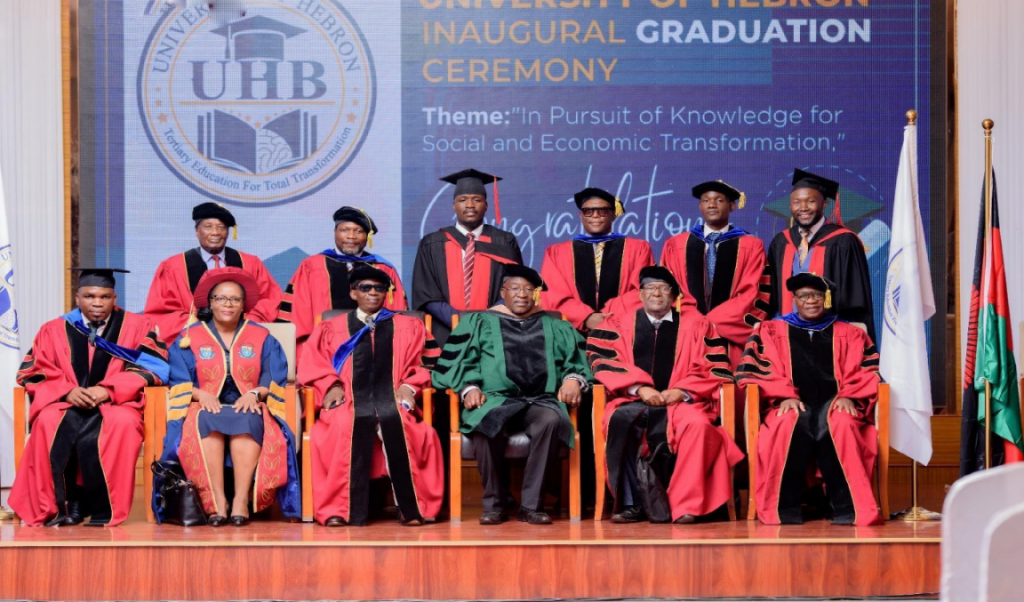
The initiative has also received strong backing from UHB Chancellor Professor David Boston Kamchacha, who is described as a key figure in driving the university’s expansion into emerging academic disciplines.
Professor Kamchacha has promoted the university’s philosophy of “Education for Total Transformation”, with a focus on interdisciplinary education, international partnerships and programmes that respond to Malawi’s social and economic development needs.
Recognising the limited availability of specialised AI education and training opportunities in Malawi, he supported the establishment of the School of Artificial Intelligence as part of the university’s strategy to expand its digital academic programmes.
He also worked with Kasunda during the negotiations and implementation of the partnership, including the review of cooperation documents and appointment procedures.
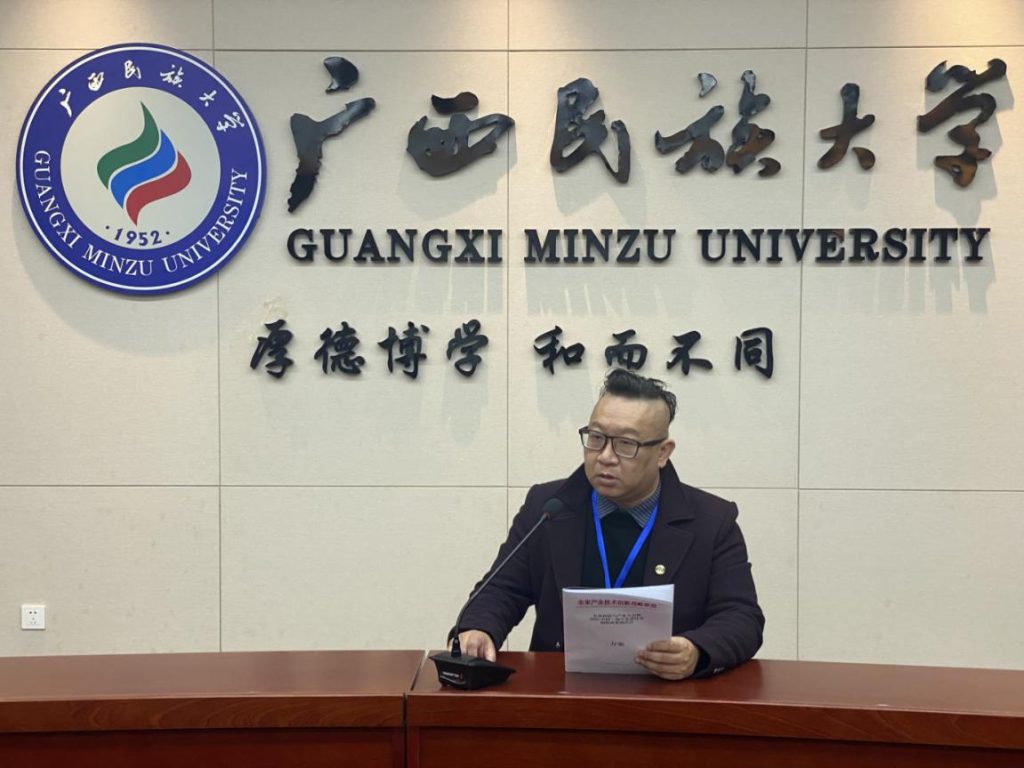
Huang takes charge
As founding Dean, Professor Huang Weijian will oversee the establishment and development of the new school, including institutional structures, academic programmes, research activities and teaching capacity.
He will also coordinate the cross-border development of UHB’s artificial intelligence programmes in Malawi and China while working with the university’s academic and research leadership, ICT team and AI teaching staff.
Among the priorities will be curriculum development, research collaboration, practical training and the establishment of a professional teaching team.
The partnership also seeks to establish long-term relationships between UHB and at least three Chinese universities to facilitate academic exchanges, joint research and staff and student mobility.
Focus on practical applications
In the medium term, the project aims to develop a stable local AI teaching workforce, introduce standardised artificial intelligence courses and establish practical training platforms.
The partners also intend to explore applications of AI in areas such as agriculture, public services and digital governance, with the broader objective of supporting Malawi’s digital transformation.
In the long term, the School of Artificial Intelligence is expected to become independently operated and financially sustainable, with ambitions of becoming a leading AI higher education institution serving Malawi and the wider African region.
Established in 2019 and enrolling its first students in 2020, the University of Hebron is a private university based in Lilongwe. The institution has traditionally focused on areas including business innovation and sustainable development while increasingly expanding into emerging digital disciplines.
The establishment of the School of Artificial Intelligence represents a further step in that expansion.
With Huang bringing experience in media operations, think-tank research and international cultural and educational cooperation, the partners hope the initiative will strengthen academic and technological exchanges between China and Malawi.
Kasunda’s facilitation, Professor Kamchacha’s institutional leadership and Huang’s appointment are expected to provide the foundation for a new phase of China-Malawi cooperation focused on artificial intelligence, digital skills and technology-driven development.