Undule Cautions against Opinion Polls, warns they could lead to Post-Election Violence
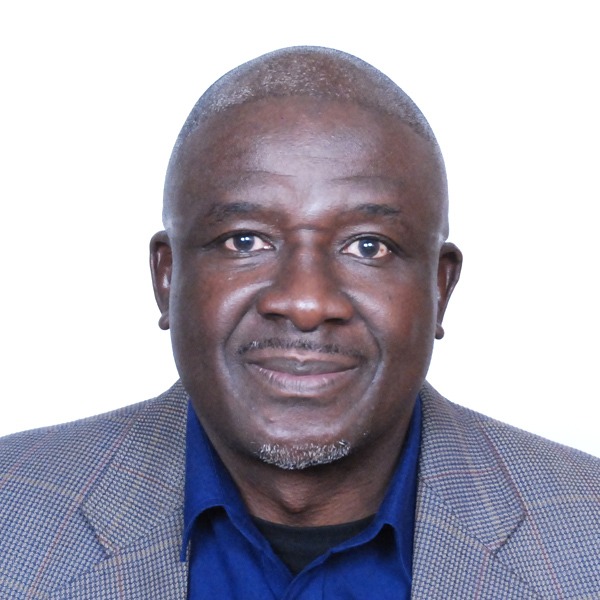
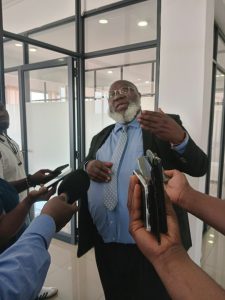
Renowned governance and human rights advocate Undule Mwakasungula has expressed concern over the wave of opinion polls being released ahead of Malawi’s September 16 elections, describing them as propaganda tools that risk confusing voters and fueling post-election violence.
His remarks come in the wake of a recent survey by the Institute of Public Opinion, which suggested that if elections had been held between August 14 and 27, Democratic Progressive Party (DPP) candidate Peter Mutharika would secure 41 percent of the vote, President Lazarus Chakwera of the Malawi Congress Party (MCP) would garner 31 percent, while UTM’s Dalitso Kabambe would trail at six percent.
Mwakasungula argued that while polls are often presented as a way to help citizens understand the electoral landscape, in practice they serve the opposite purpose. “These polls are not tools of democracy but instruments of propaganda. They are poorly timed, badly conducted, and full of bias,” he said, stressing that such surveys risk misleading citizens rather than informing them.
He further noted that the timing of releasing polls so close to the elections is not innocent but designed to influence voter behavior. Mwakasungula warned of the “bandwagon effect,” where undecided voters may be swayed towards a perceived frontrunner, while supporters of other candidates may feel discouraged from participating. “Instead of strengthening democracy, these polls weaken it by shaping voters’ minds in dangerous ways,” he added.
Drawing on regional experiences, he recalled Kenya’s 2007 election violence, Zimbabwe’s 2008 unrest, and Malawi’s 2019 post-election protests, all worsened by opinion polls that did not match official outcomes. According to him, such mismatches easily erode trust in the electoral process and can ignite widespread anger and violence.
Mwakasungula has therefore urged Malawians to treat opinion polls with caution, emphasizing the need for transparency, professionalism, and accountability in political research. He cautioned that without these safeguards, opinion polls could act as “hidden rigging,” shaping perceptions and undermining the very democracy they claim to strengthen.