Mukhitho Directs NRB to Remove Expiry Dates on National IDs as Malawi Launches Nzika Digital ID Wallet
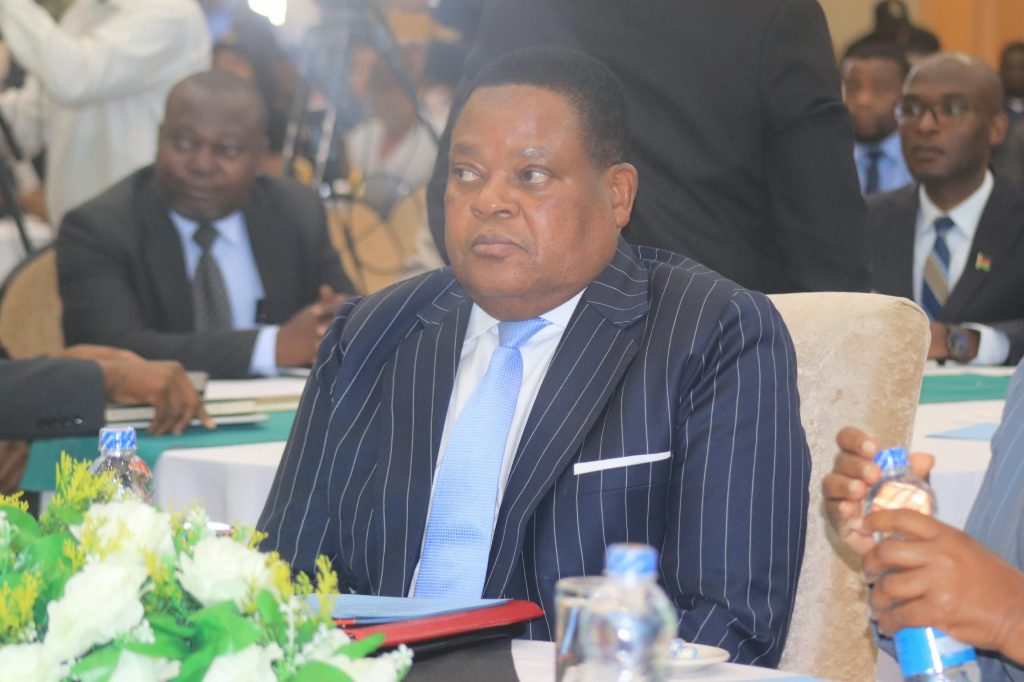
Minister of Homeland Security Peter Mukhitho has directed the National Registration Bureau (NRB) to start issuing National Identity (ID) cards without expiry dates, in line with President Arthur Peter Mutharika’s State of the Nation Address (SONA) delivered earlier this year.
Mukhitho made the directive on Wednesday in Lilongwe when he presided over the official launch of the Nzika Digital ID Wallet.
He said, going forward, Malawians seeking to obtain National IDs should not be required to rely solely on physical identification cards, as NRB staff will be able to use biometric information stored in the national database to verify an individual’s identity.
Mukhitho also assured Malawians that their personal information would be adequately protected under the digital identification system.
He said the security of the system had been tested and measures were in place to safeguard citizens’ information stored and accessed through the Nzika Digital ID Wallet.
“It is one innovation which is handy. We believe it is going to ease the lives of most of our citizens because many people forget or lose their IDs when travelling, which brings problems to NRB,” said Mukhitho.
The minister further disclosed that his ministry would, in the future, work towards incorporating death certificates into the digital wallet.
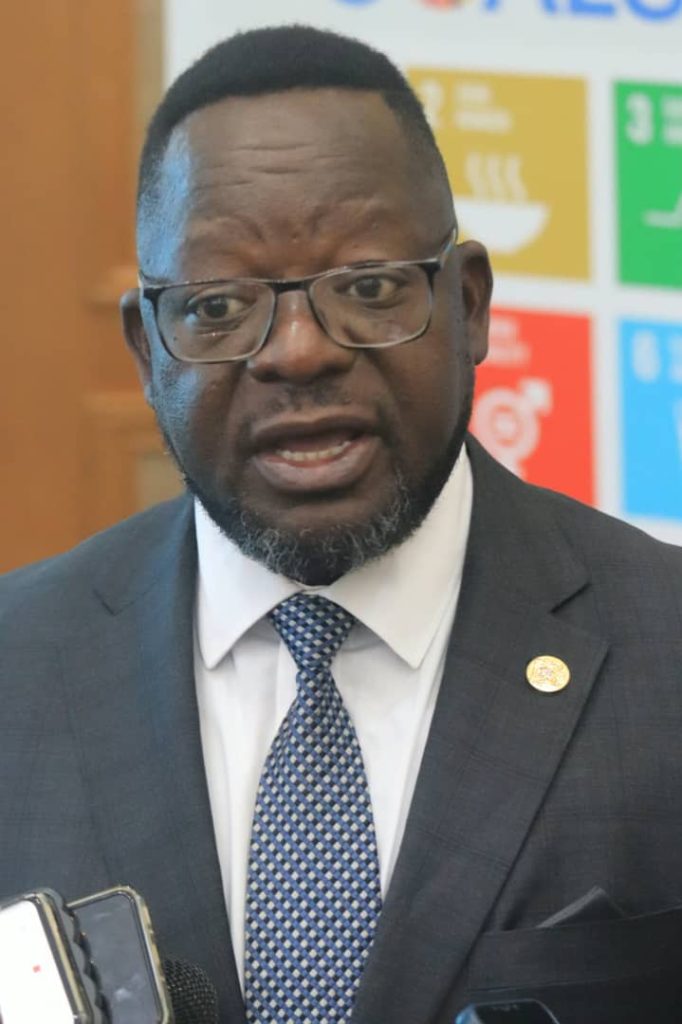
Meanwhile, Minister of Technology and Digitalisation Shadreck Namalomba said Malawi has joined four other African countries in introducing a digital national identification wallet.
Namalomba said the Nzika Digital ID Wallet would transform the traditional physical National ID into a digital format that can be stored on devices such as smartphones and laptops.
“The significance of this Nzika Digital ID Wallet is that instead of having the ID card in its physical form as it is right now, that card will turn digital. You can store it on your phone or laptop and, wherever you go, you can scan it and your information will be seen. Hence, it is going to ease the way citizens access services from government,” Namalomba explained.
He said the digital wallet could eventually contain a wide range of personal information, including an individual’s date of birth, parents’ details, village, schools attended and certificates.
Namalomba also called on the private sector and foreign investors to support government efforts by investing in the assembly of affordable smartphones locally, saying access to suitable devices remains a challenge for many Malawians.
According to Namalomba, about 33 percent of Malawians currently have smartphones, while only 12.5 percent are able to properly use and access smartphone services.
He therefore stressed the need for increased public awareness and digital literacy programmes to help citizens understand how to operate and use smartphones and digital services.
The launch was attended by Minister of Agriculture Rosa Mbilizi, Minister of Health Madalitso Baloyi, Minister of [name to be confirmed] Charles Chilambula, development partners, private-sector representatives and officials from various government ministries, departments and agencies.