
Extreme heat waves may accelerate biological aging, study finds
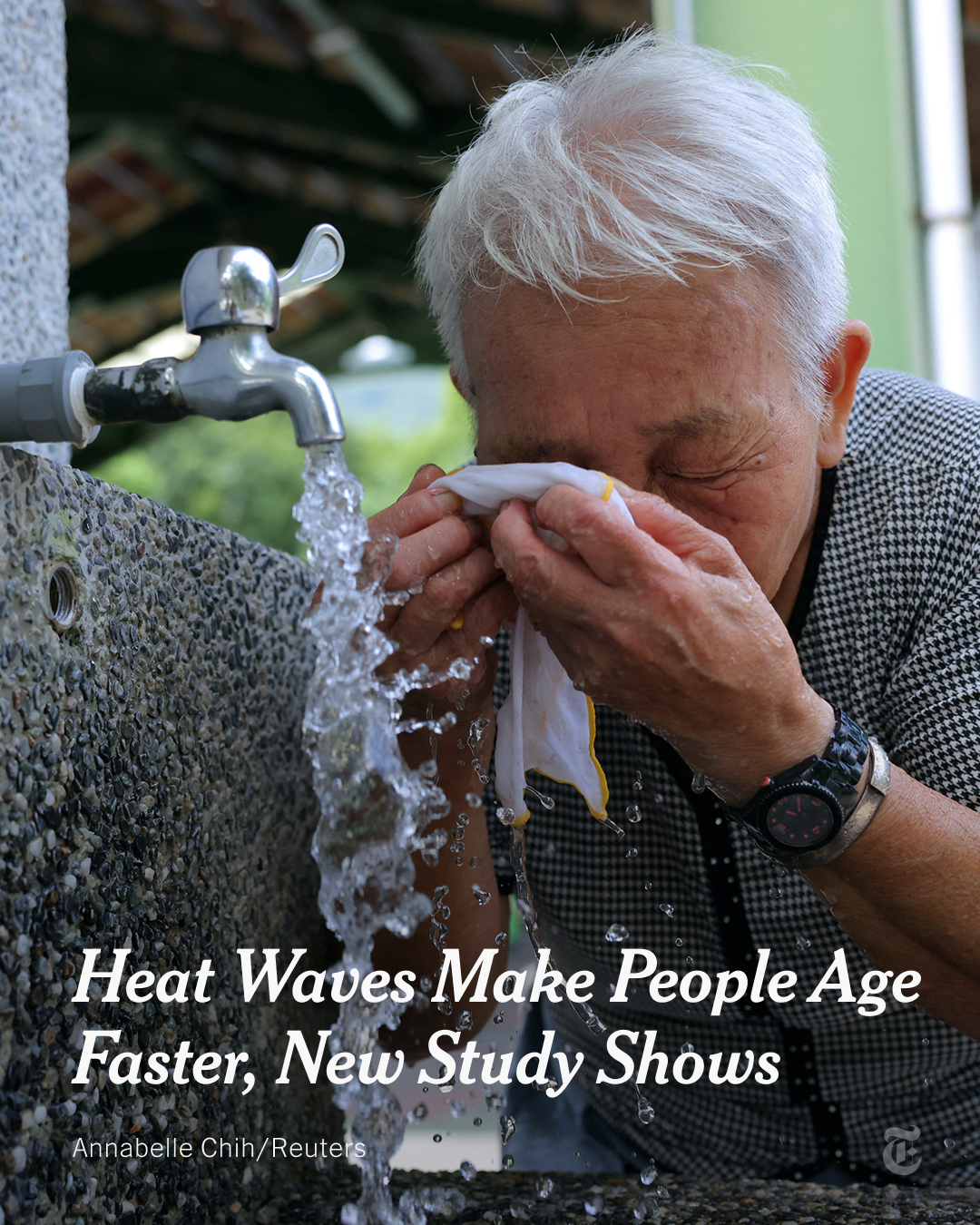
New research suggests that living through extreme heat waves can accelerate a person’s rate of aging.
The study found that two years of exposure to intense heat could speed up biological aging by approximately eight to twelve extra days.
Biological aging refers to the gradual deterioration of cells, tissues, and organs, which may differ from chronological age.
Scientists involved in the research highlight that repeated exposure to high temperatures may increase stress on the body, contributing to cellular damage.
The study used large population data and environmental records to establish a link between prolonged heat exposure and markers of aging in humans.
Experts warn that these findings underscore the hidden health risks of climate change, beyond immediate effects like heatstroke or dehydration.
The research also suggests that vulnerable populations, including the elderly and those with preexisting health conditions, may face compounded risks during prolonged heat waves.
Moreover, the findings raise questions about how repeated extreme weather events could impact long-term public health planning and healthcare systems.
Policymakers may need to consider strategies to mitigate heat-related health risks, including urban planning, green spaces, and access to cooling centers.
Scientists recommend further studies to understand the precise biological mechanisms through which heat accelerates aging and to explore interventions that could protect individuals.
The study adds to growing evidence that climate change not only affects the environment but also has profound consequences for human health and longevity.
*Concluding analysis*
This research highlights a subtle but significant impact of climate change on human health, showing that extreme heat waves can accelerate biological aging even over relatively short periods.
It reinforces the urgency of global climate action and local adaptation strategies to reduce prolonged exposure to extreme temperatures.
For individuals, understanding these risks could encourage protective behaviors, such as staying hydrated, avoiding peak heat hours, and creating cooler living environments.
On a broader scale, the study demonstrates the intersection between environmental change and public health, emphasizing that climate resilience is essential not just for ecosystems but for human longevity.
As heat waves become more frequent and intense worldwide, understanding their long-term effects on aging could shape policies aimed at protecting vulnerable populations and promoting sustainable urban living.