Centre Challenges Youth to Make Informed SRHR Decisions
The Centre for Youth Empowerment and Civic Education has challenged young people to make informed decisions about their Sexual and Reproductive Health and Rights (SRHR), amid continued barriers to accessing essential services.
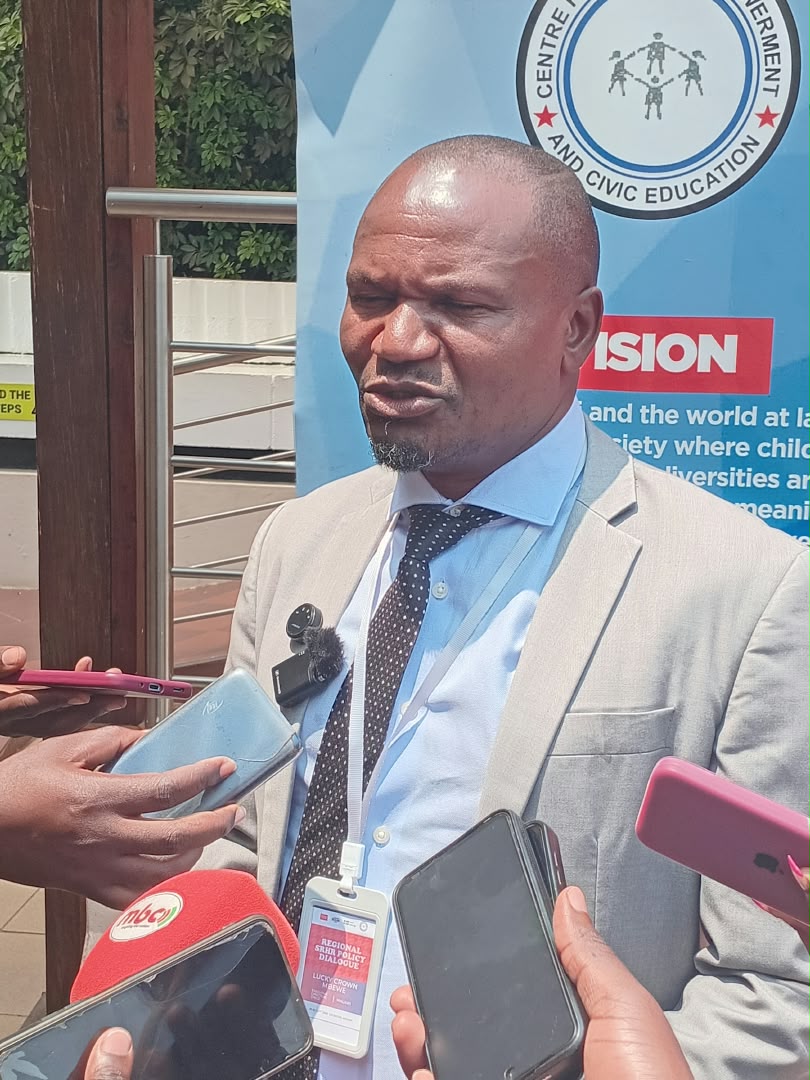
Speaking during the Regional SRHR Policy Dialogue in Lilongwe on Tuesday, the Centre’s Executive Director, Lucky Mbewe, said young people continue to face challenges including long distances to health facilities, cultural practices, religious beliefs and inadequate funding for SRHR programmes.
Mbewe said the dialogue was aimed at bringing policymakers and other stakeholders together to identify ways of creating an enabling environment for young people to access SRHR services without unnecessary barriers.
“We have convened this particular meeting to engage policy leaders in the region so that they can discuss and dialogue on how to create an enabling environment for young people to access health services without any challenges,” he said.
He called on governments to increase funding for youth-focused SRHR programmes through their respective health budgets.
Mbewe also urged policymakers to create platforms where young people can directly express their concerns and priorities, rather than having adults speak on their behalf.
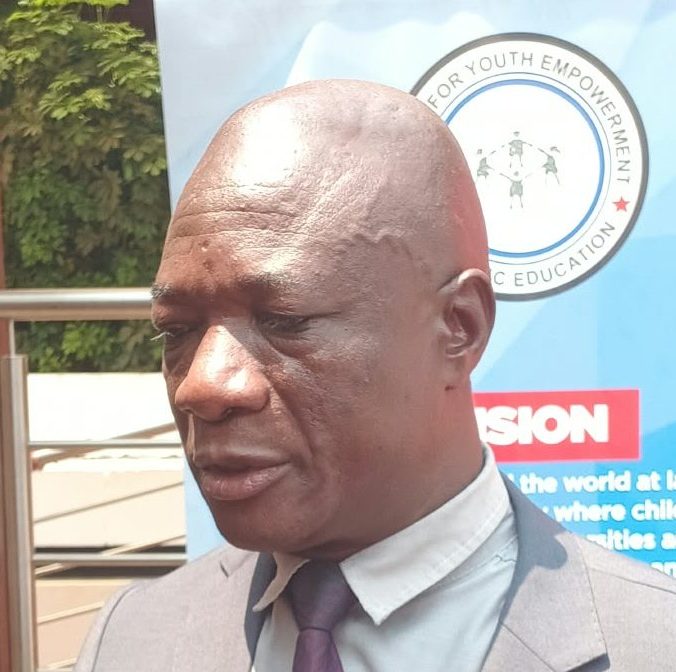
Meanwhile, Deputy Director of Reproductive Health in the Ministry of Health and Sanitation, Hans Katengeza, said countries in the region face similar challenges in delivering SRHR services to adolescents and young people.
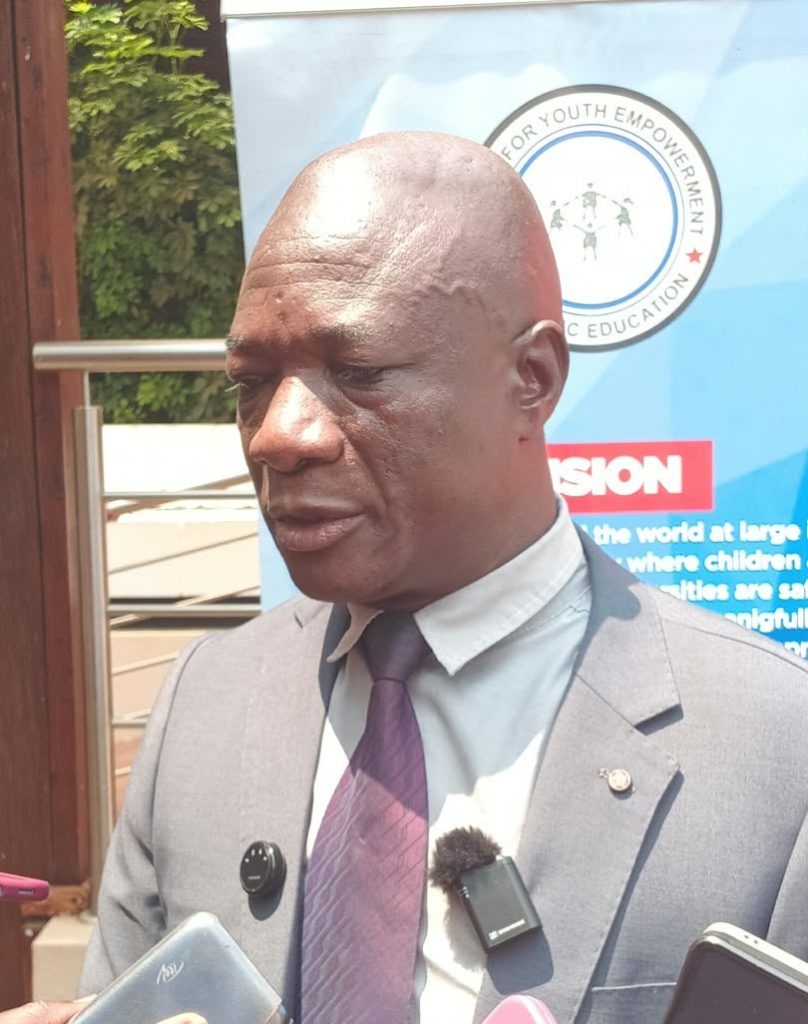
Katengeza said governments need policies that are aligned with national strategic plans to effectively address the challenges facing young people.
“As far as the country is concerned, we are doing better and making progress. A good number of indicators relating to SRHR are showing very good progress, despite the fact that some areas are still struggling,” he said.
He cited maternal health as one area where progress has been recorded.
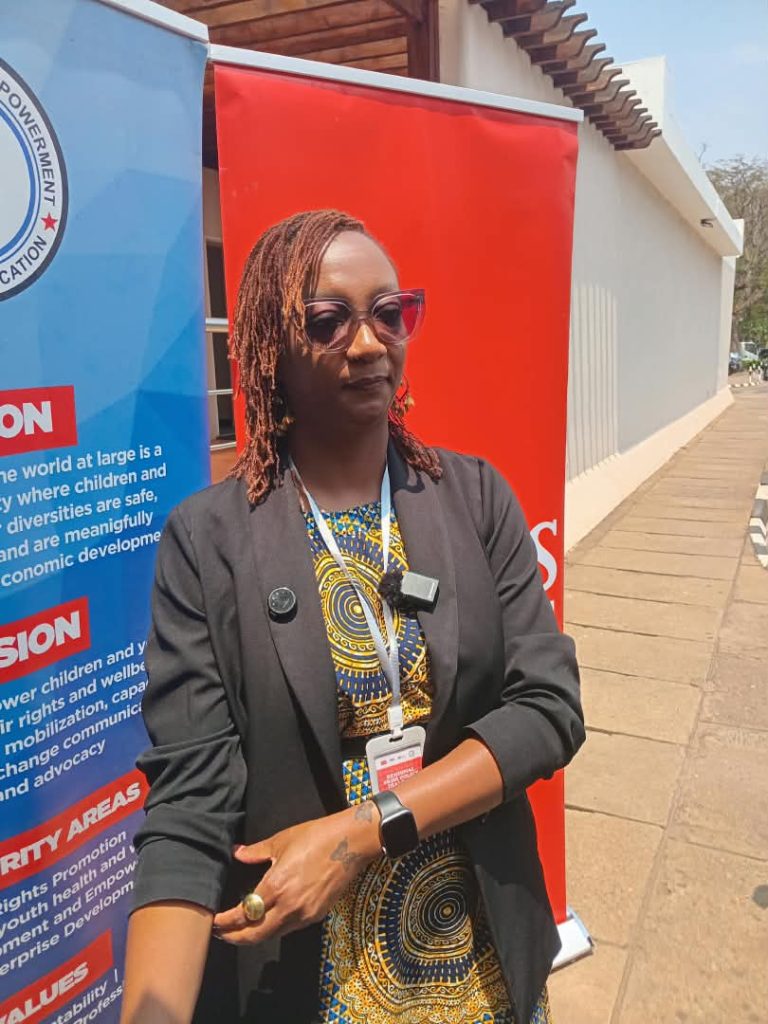
HIVOS People Unlimited Regional SRHR Fund Programme Manager Limpo Chinika said the organisation is providing platforms for stakeholders to engage and explore different approaches to strengthening SRHR interventions across the region.
Chinika said, despite progress, adolescents and young people still face gaps in accessing accurate information and appropriate services.
“Most of the issues affecting young people are primarily related to access to information and services across the different countries where we operate,” she said.
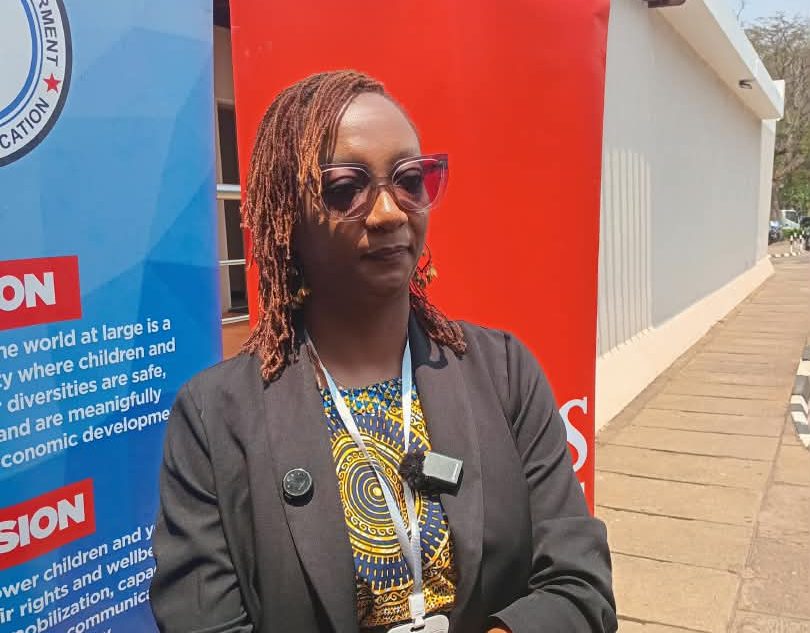
She said stakeholders should recognise the progress made while continuing to address gaps affecting young people’s access to SRHR information and services.
The Regional SRHR Policy Dialogue has brought together government officials and other stakeholders from Zimbabwe, Zambia, Kenya, Uganda and host country Malawi.
The dialogue is being held under the theme “Strengthening the Enabling Environment for Adolescent and Youth SRHR in ESA.”