Human Capital For Sustainable Development
By Burnett Munthali……
Introduction
“The term human capital refers to the economic value of a worker’s experience and skills. Human capital includes assets like education, training, intelligence, skills, health, and other things employers value such as loyalty and punctuality.” – Investopedia.
Background
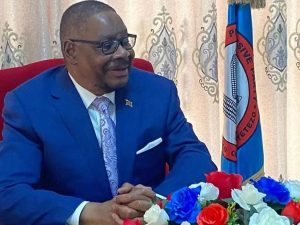
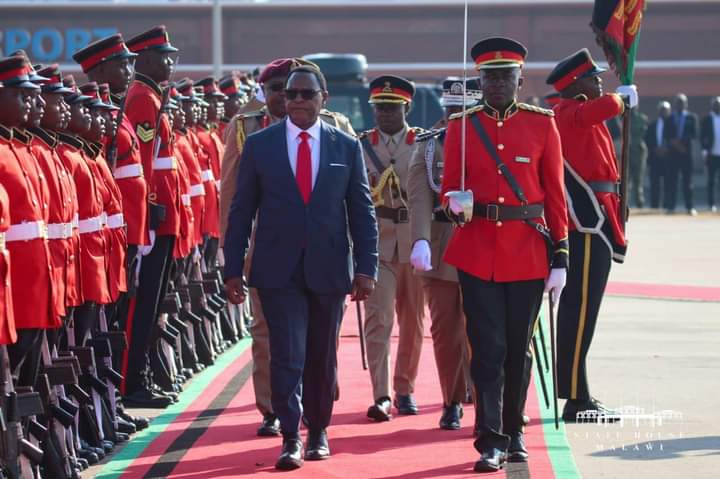
This week and the next week, President Reverend Lazarus Chakwera is attending the SADC 43rd Ordinary Summit of Heads of State and Government on Thursday 17 August, 2023 in Angola followed by the 15th BRICS Outreach Plus summit from 22nd to 24th August, where Malawi is one of the 67 non-member countries invited to attend.
Chakwera says SADC summit is an opportune moment to assert Malawi’s development aspirations within the region and widen our economic prospects through meaningful regional integration and cooperation. The President is therefore, heading to Angola to align with fellow SADC leaders on how best Malawi can use human and financial capital to drive sustainable industrialisation within the bloc.
I’m obliged to comment by briefly taking a looking at human capital that could drive sustainable industrialisation in Malawi so that we have a small picture of why the State President has travelled.
Examples of human capital include the education, technical training, or problem-solving skills that a person offers to a business. Education is one of the most important elements of human capital, as it often leads to increased economic output, higher individual income, and increased economic mobility for families.
Human Capital Management is essential for hiring, managing, training and retaining talented and high performing employees. Human Capital management plays an important role in the recruitment process. It ensures that human resource professionals hire individuals who really deserve to be in the organization.
Without human capital, the productive capacity of individuals is limited. Thus, universal education and lifelong-lifewide learning have become the basic building blocks in the development of modern nations.
One of the most important components of sustainability is minimizing environmental impact through pollution prevention. Pollution results from waste, which can be reduced, reused or prevented to ensure environmental protection.
Human capital allows an economy to grow. When human capital increases in areas such as science, education, and management, it leads to increases in innovation, social well-being, equality, increased productivity, improved rates of participation, all of which contribute to economic growth.
The human resource plays a significant role in the economy of a country by contributing to productivity. The other resource becomes useful because of the input by the human resource. Investment in human capital yields a return and it is done through education, training, and healthcare.
Conclusion
In conclusion, can we say it’s necessary that the President has travelled to benefit the country from this meeting? Obviously, in my opinion, the answer is no. It is a well known fact that education is one of the most important elements of human capital, as it often leads to increased economic output, higher individual income, and increased economic mobility for families. Is Chakwera not aware of these straight forward facts? If he is aware, why is he wasting out resources to attend such a meeting and why was he voted into that high office?
I don’t believe it is essential for the Malawi leader to learn from his fellow heads of states on how to hire, manage, train and retain talented and high performing employees. We all know Human Capital management plays an important role in the recruitment process.
Malawi government must ensure that human resource professionals hire individuals who really deserve to be in the organization. It begins with the President himself, he must hire individuals who really deserve to be in the cabinet. Otherwise, we choose the wrong person into the office of the President and cabinet and our five years of Chakwera is simply a waste of time and resources.