
Why Is The Monday After Easter A Holiday?
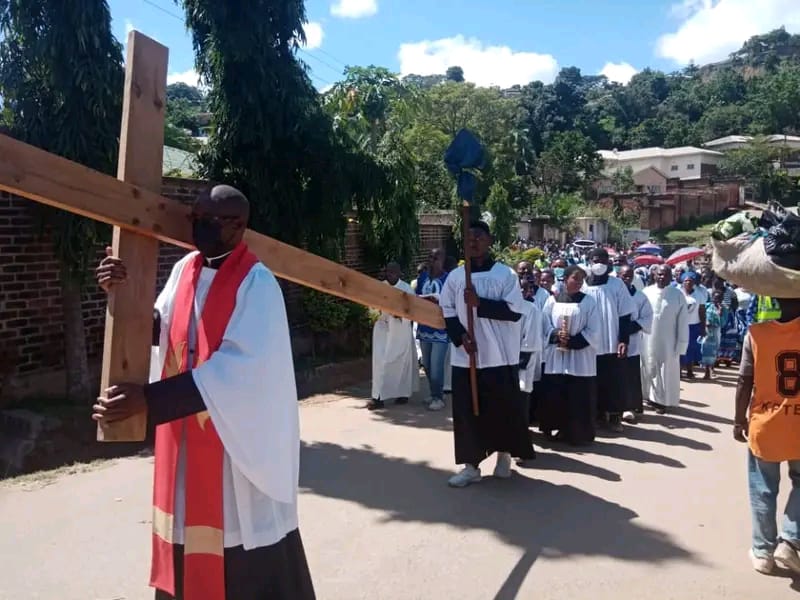
By Burnett Munthali………
Also known as Bright Monday, Renewal Monday, Wet Monday, and the Dyngus Day, there are different and interesting traditions surrounding the Monday that comes immediately after Easter Day.
Easter Monday holds religious significance for Christians, as it follows Easter Sunday, the day Jesus Christ was resurrected following his crucifixion on Good Friday.
According to the gospels, on this day Jesus Christ cursed the fig tree (Matthew 21:18–22, Mark 11:20–26), cleansed the temple, and responded to the questioning of his authority (Matthew 21:23–27).
Immediately following Easter Sunday is a day observed by many Roman Catholic and Eastern Orthodox traditions, and this day is called Easter Monday. For many people across the world, this day is a somber remembrance of the death and resurrection of Jesus Christ.
What are the days after Easter called? The Octave of Easter is the eight-day period, or octave, that begins on Easter Sunday and ends with the following Sunday. In Christian churches that celebrate it, it marks the beginning of Eastertide. The first seven of these eight days are also collectively known as Easter Week.
In some places the day after Easter is simply called Easter Monday. In other places, it’s Bright Monday, Renewal Monday, Wet Monday, or Dyngus Day. It was once known as “Black Monday” and was, for a time, considered unlucky. Who celebrates the day?
In the West the Resurrection of Jesus was celebrated on the first day of the week, Sunday, when Jesus had risen from the dead. Consequently, Easter was always celebrated on the first Sunday after the 14th day of the month of Nisan.
In Hebrew, Monday is called “Yom Shayne,” meaning literally “Second Day” following the biblical reference to the sabbath day as the “Seventh-day” and the tradition of that day being on Saturday.