Of Food Scarcity and High Prices in Malawi
By Burnett Munthali…………
People living in food-insecure households are more vulnerable to infectious diseases, poor oral health, injury, and chronic conditions, like depression and anxiety disorders, heart disease, hypertension, arthritis, back problems, and chronic pain.
Unfortunately, millions of Malawians are living in food-insecure households today. This is a sad situation as can be seen on the ground. The first example is that of Cyclone Freddy affected areas in 2023. Millions of Malawians have been affected by the cyclone, they have lost everything they had including food crops in their fields. These people are traumatized and are already at risk.
With less food, whether incremental through smaller portion sizes or more drastic through skipped meals, people who often earn less money are more susceptible to health issues. The consequences for small children can be especially serious, leading to malnutrition and stunting.
It is a well known fact that many families in areas that were not hit by Cyclone Freddy have less food in their homes as well due to the economic hardships in the last three years (2020-2023). They often skip meals, earn less money and cannot afford to eat what they want three times a day.
Food insecurity rates are highest for single-mother households and households with low income. There are some families who earn as low as MWK50,000 as we speak and you can just imagine the value of this amount today. It’s only sufficient to buy one bag of maize before getting all the basic needs, that’s all.
There are many signs of food insecurity in Malawi including skipping meals; reducing portion sizes at meal times; having to choose between paying for food and other basic needs such as rent or electricity; relying on walkman of maize flour instead of a 50kg bag, and being unable to afford a balanced diet.
Supply is not keeping pace with growth in demand and food prices are rising. The flooding of Breakfast and Roller Meal from Zambia in every shop is evidence that the supply chain of food in Malawi has gone wrong this year. No doubt about that.
Food shortages affect the local and global economy. Past food shortages have resulted in consequences such as the following: Inflation: Consumer prices increase due to tightened supply, high input and transportation costs, and speculative effects. Inflation, Consumer prices increase, high input and transportation costs, and speculative effects are expected to rise as Malawi has already started importing food from neighboring Zambia.
As a result of discontinuing eating, patients will die in as early as a few days. For most people, this period without food usually lasts about 10 days, but in rare instances, it can last several weeks. Many people in almost all parts this country have been starving for quite sometime now upto the harvesting time which is around the corner.
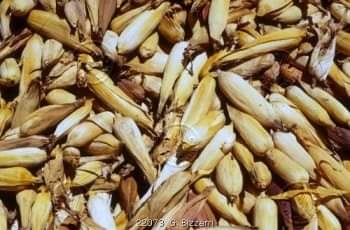
There are of course economic effects of shortage. If there is a shortage, the high level of demand will enable sellers to charge more for the food items in question, so prices will rise. That’s the situation in the country as we speak. Maize is in short supply and it is very rare to find the commodity throughout almost all ADMARC depots.
Many things happen when people don’t eat. Skipping meals causes the body to lower its metabolism (how much energy it needs to function) Causes us to burn less energy (fewer calories) Leaves us with little energy because the body has run out of the fuel we get from food. Many Malawians have little energy because of low family income levels, and high prices of food.
Shortage of food affects people’s life. Scarcity of resources can affect us because we can’t always have what we want. For example, a lack of money and funds can lead me to not being able to buy food I want for myself and family. In order to adjust, we have to either earn more money or adjust other necessities to afford something more realistic such as food. Unfortunately, government did not play it’s cards well in the Agricultural Inputs Program (AIP) and the sale of maize to Zimbabwe so everyone else will have to dance to the music.