Kasunda Drives UHB–Asia Partnership to Transform Malawi’s Higher Education
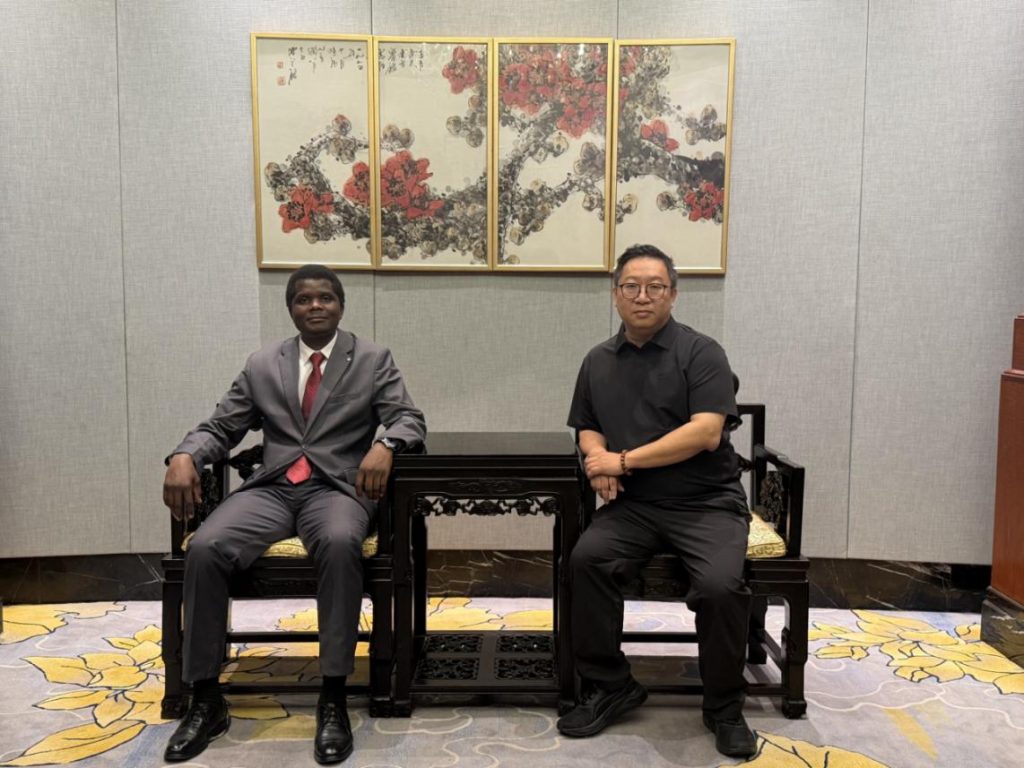
Malawian revolutionary and 2030 presidential candidate Jani Grey Kasunda has facilitated a landmark international education partnership aimed at strengthening higher education in Malawi through collaboration with leading academic and research institutions in Asia.
The partnership, which brings together the University of Hebron (UHB) in Malawi and the Asian Business Research Institute, was formalized through the signing of a strategic Memorandum of Understanding (MoU). The agreement seeks to promote academic excellence, research, innovation and industry-focused education while creating new opportunities for students and lecturers from both regions.
Kasunda, who is currently pursuing a Master’s degree in International Relations in China, described the initiative as a reflection of his unwavering commitment to Malawi’s development through education.
“Even as I carry the heavy load of my postgraduate studies abroad, my heart and my commitment have never left the people of Malawi,” Kasunda said.
“Education is my deepest calling, and I believe that true leadership is proven through selfless service. The reason I am dedicating my precious time to rallying these international partners despite my own academic pressures is that I refuse to wait for tomorrow to uplift my fellow Malawians. This partnership is about ensuring our local students gain a global competitive edge right here at home. Not everyone can study abroad, which is why we must improve the quality of higher education in Malawi.”
He added that investing in higher education remains one of the most sustainable ways to transform lives and build a prosperous nation.
Kasunda said the agreement represents an important milestone in connecting Malawi’s higher education sector with high-quality Asian academic resources and integrating local institutions into the global innovation network.
The University of Hebron, established in 2019 and officially opened in 2020, is a fully accredited institution by the National Council for Higher Education (NCHE). The university has built its reputation by addressing the gap between university education and labour market demands through practical, skills-based learning.
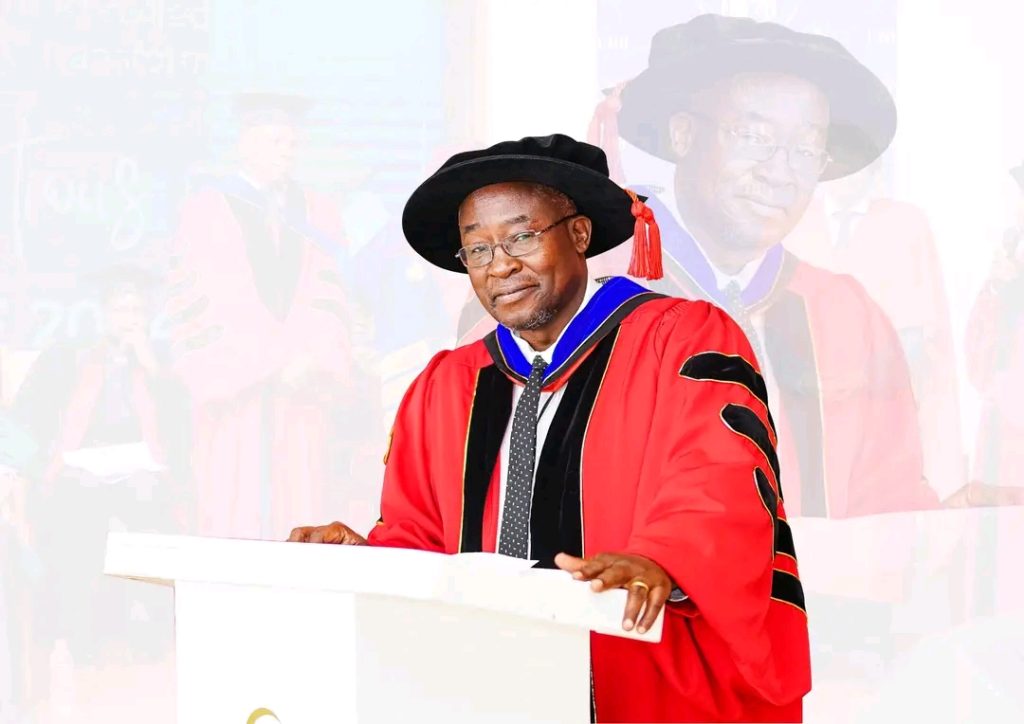
The online signing ceremony was conducted by Asian Business Research Institute Secretary-General Huang Weijian and University of Hebron President Professor David Kamchacha, with education and industry representatives from both Malawi and China witnessing the event.
Under the agreement, the two institutions will collaborate in six strategic areas.
The partnership will establish a joint academic publishing platform to support collaborative research, publication of scholarly work and the development of internationally recognised academic journals.
It will also promote student and faculty exchange programmes, including research visits, academic conferences and short-term exchange opportunities designed to strengthen cultural and educational ties between Asia and Africa.
The agreement further provides for joint teaching and academic supervision. Huang Weijian is expected to serve as a visiting professor and externship supervisor at the University of Hebron, contributing to curriculum development, postgraduate supervision and online lectures in digital economy and artificial intelligence.
One of the most ambitious components of the partnership is the planned establishment of an Artificial Intelligence College at the University of Hebron. The project will draw expertise from leading AI specialists, including Oxford University artificial intelligence tutor Xi Zhexu, to develop world-class curricula and train Malawi’s next generation of AI professionals.
The collaboration will also focus on industry-oriented training by connecting Malawian education with Chinese businesses, technology and investment. This is expected to expand the international reach of UHB’s programmes while supporting Malawi’s economic development through innovation and skills development.
Beyond education, the partners intend to undertake joint research in areas such as the digital economy, small and medium enterprise development, agriculture, manufacturing and digital commerce, ensuring academic research directly contributes to solving real-world economic challenges.

The Asian Business Research Institute said the collaboration aligns with its mission of driving business innovation and sustainable development. The institute pledged to leverage its academic and industry networks across Asia to ensure successful implementation of the agreement.
The partnership is expected to become a flagship model of Asia-Africa higher education cooperation, creating new opportunities for Malawian students and positioning the country to benefit from global academic collaboration and technological advancement.