“Not This Time!”: Malawi Rejects IMF’s Push for Further Kwacha Devaluation Amid Rising Public Concern
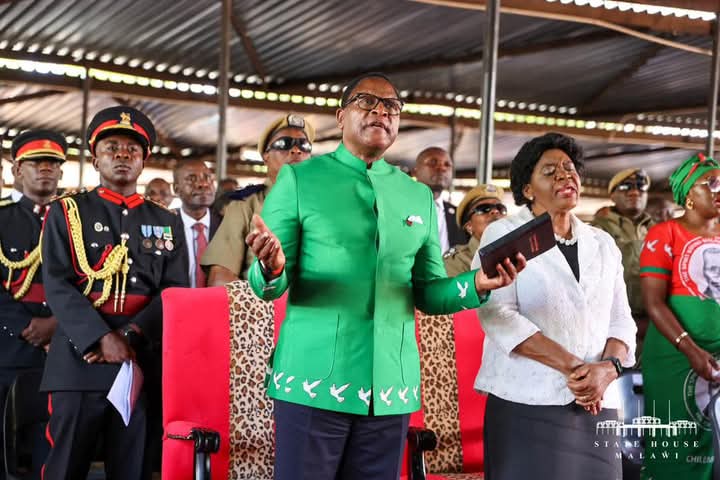
In a bold and defiant stance that signals a shift in economic policy direction, President Lazarus Chakwera’s administration through Reserve Bank of Malawi (RBM) Governor Dr. Mafuta Mwale has firmly rejected a fresh proposal from the International Monetary Fund (IMF) calling for yet another devaluation of the Malawian Kwacha.
The latest demand came during a recent visit by an IMF mission team, reportedly led by a senior Fund official, as part of the ongoing Extended Credit Facility (ECF) discussions. The IMF argued that further adjustment of the exchange rate was necessary to align the Kwacha with market fundamentals and ensure macroeconomic stability.
But Dr. Mwale didn’t mince words.
“We will not allow the people of Malawi to continue bearing the brunt of policies that only deepen poverty,” said the RBM Governor. “This is not the time to further devalue our currency. The last devaluation has already driven up inflation, raised the cost of living, and pushed more Malawians into hardship. Enough is enough.”
The Kwacha was previously devalued by nearly 44% in late 2023 under IMF-guided reforms, triggering a sharp rise in the cost of goods, transport, and basic services. The move sparked widespread public dissatisfaction and economic distress across the country.
President Lazarus Chakwera has reportedly backed Dr. Mwale’s position, affirming that economic reforms must balance fiscal discipline with human dignity.
“We cannot continue following prescriptions that hurt the very people we are meant to uplift,” Chakwera said in a closed-door policy briefing, according to a senior government source. “We are committed to reforms—but not at the expense of the poor.”
Many economic analysts and civil society organizations have welcomed the government’s firm stand, saying Malawi must now focus on building internal production capacity, boosting exports, and strengthening local revenue systems rather than relying solely on foreign institutions.
However, the IMF’s position reflects its concerns over Malawi’s mounting debt, forex shortages, and structural imbalances—factors the Fund believes require a flexible exchange rate to address.
With Malawi’s next IMF review on the horizon, tensions between the country’s policy autonomy and international financial expectations are likely to intensify.
In the meantime, the government’s rejection of further Kwacha devaluation has been hailed by many as a patriotic move prioritizing national interest over external pressure.
“This is a rare moment of leadership,” said an economist from the University of Malawi. “What we need now is a comprehensive economic vision that protects the vulnerable while laying the groundwork for sustainable growth.”