Mwanamvekha pushes for deeper economic integration among COMESA states
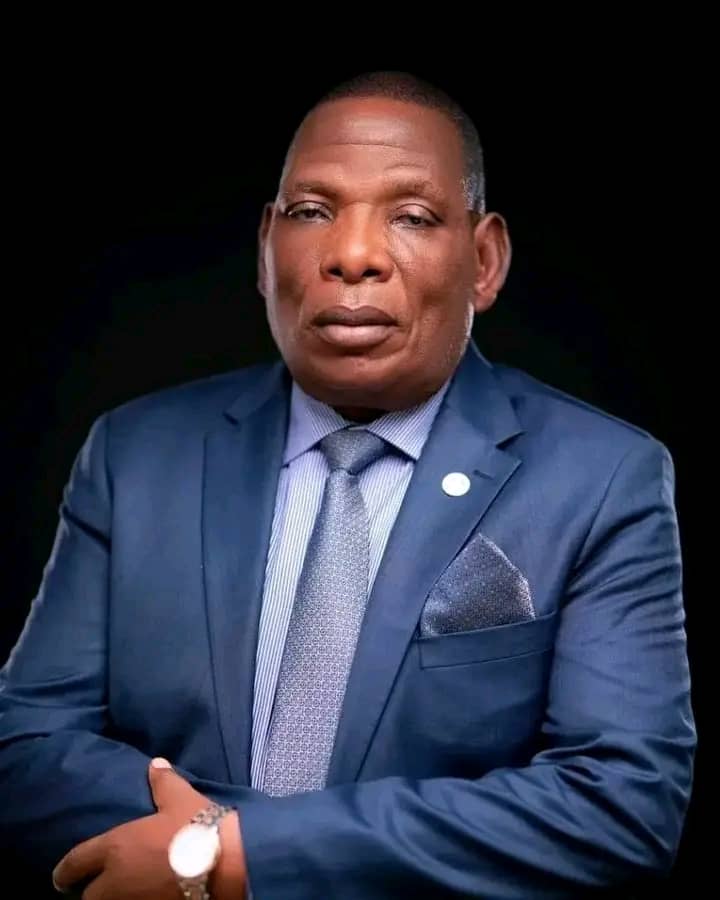
Finance, Economic Planning and Decentralisation Minister Joseph Mathyola Mwanamvekha has called for stronger economic policy coordination among COMESA member states, saying regional cooperation is key to promoting economic stability, trade and investment.
Mwanamvekha made the call on Friday in Lilongwe during the COMESA Monetary Cooperation and Integration Meeting and Symposium, where he stressed the need for closer collaboration between central banks, commercial banks and governments to accelerate regional economic development.
He said countries in the region needed to work together to address barriers that continue to make cross-border trade and financial transactions expensive and difficult.
“As you are aware, countries do not operate in isolation. We are part of the global economy, and therefore, we need to integrate. This will help reduce the cost of doing business and facilitate transactions between countries, particularly within the COMESA region,” he said.
Mwanamvekha identified restrictions on movement, visa requirements, high cross-border transaction costs and limited investment opportunities as some of the challenges that need to be addressed to achieve meaningful regional integration.
He questioned why citizens and businesses should continue facing travel and financial barriers within the region when other economic blocs have established arrangements that facilitate easier movement and transactions.
He also expressed concern that COMESA member states conduct more trade with countries outside the regional bloc than with one another, saying the trend highlights the need to strengthen intra-regional trade.
Mwanamvekha said Malawi had opportunities to expand its exports within the region, citing tea, tobacco, Kilombero rice and chambo fish as some of the products that could benefit from increased regional market access.
He further highlighted the possibility of deeper monetary integration among COMESA countries, including the long-term ambition of establishing a common currency.
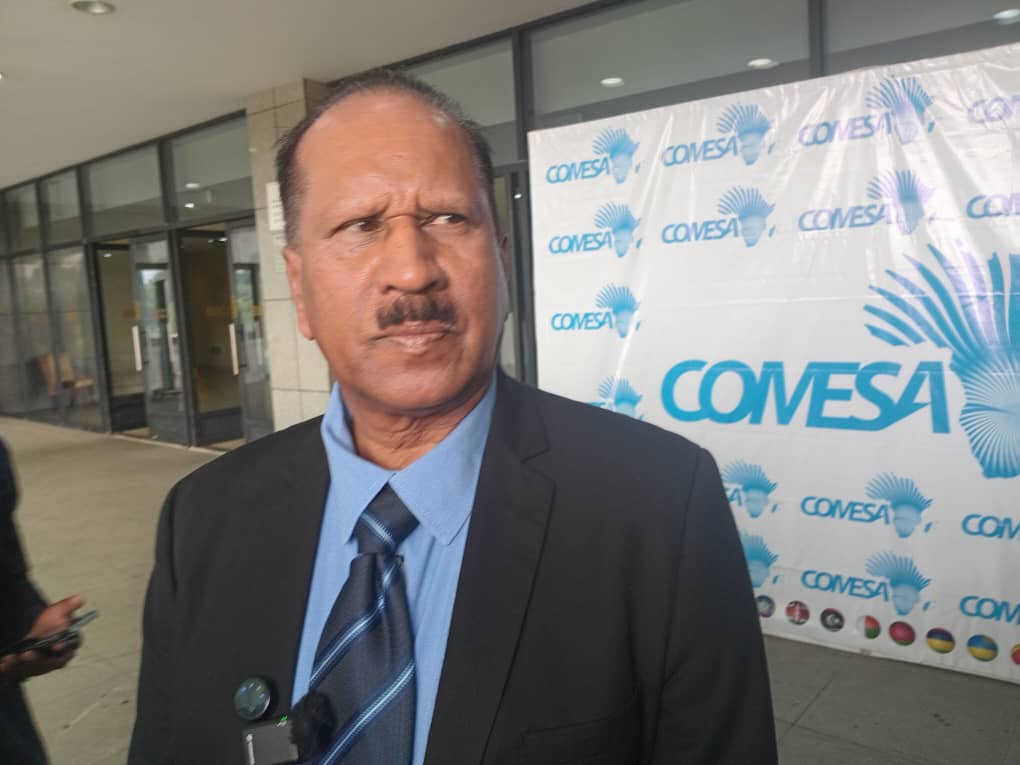
COMESA Secretary-General Dr Dev Haman said the symposium was designed to enable member states to exchange experiences, share knowledge and explore practical solutions to challenges affecting regional economic integration.
Haman observed that restrictions on movement and visa requirements continued to undermine economic opportunities, stressing that regional development required greater openness and access to essential services.
“Economic growth cannot happen if you don’t have free access to banking services and services for small and medium enterprises,” he said.
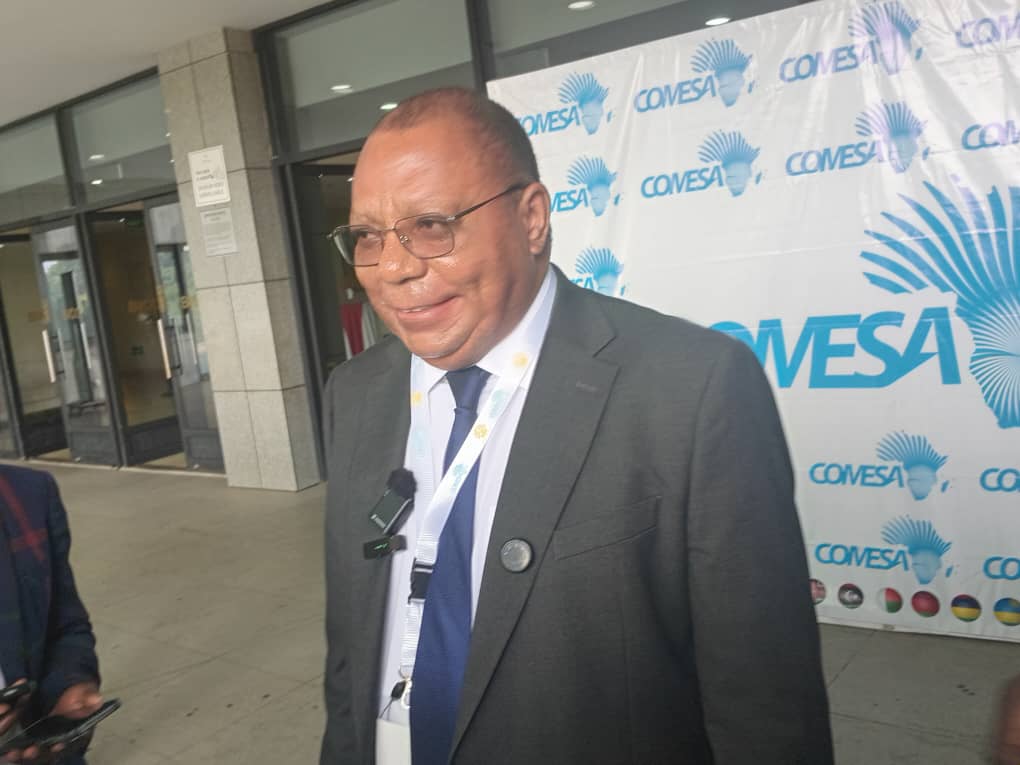
Reserve Bank of Malawi Governor George Patridge said the discussions would focus on financial inclusion, harmonisation of macroeconomic policies and coordination of monetary policies among COMESA member states.
He said improving regional payment systems was also important in making cross-border transactions more efficient and supporting broader economic integration.
Patridge noted that the vision of COMESA’s predecessor organisations included the establishment of a monetary union, adding that policy convergence and coordination remained critical steps towards achieving that ambition.
He said Malawi could not overcome its economic challenges in isolation, emphasising that regional cooperation would provide member states with opportunities to address shared monetary and economic difficulties.
The symposium has brought together central bank governors and economic policymakers from across the COMESA region to deliberate on monetary cooperation, financial integration and strategies for strengthening regional economic development.