
MBS Urges Companies to Embrace Management Systems to Compete Globally
By Steven Godfrey Mkweteza and Andrew Mwanandiye Tembo…..
The Malawi Bureau of Standards (MBS) has urged local companies to embrace management systems and international standards to remain competitive on global markets and help reposition Malawi’s economic standing.
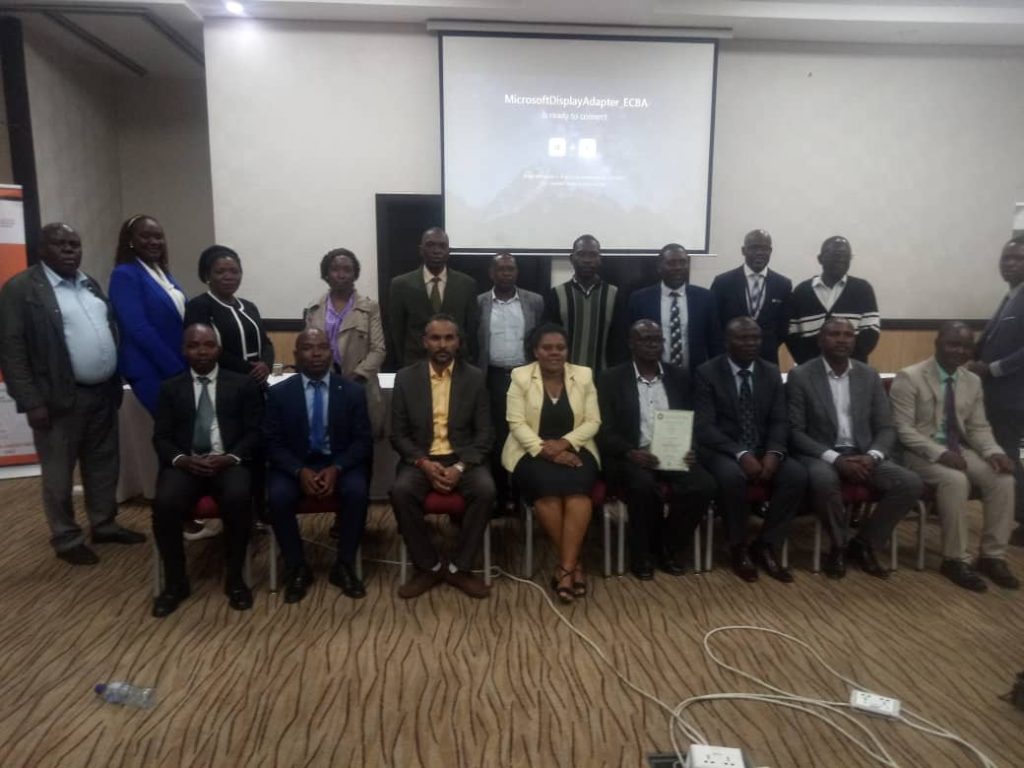
MBS Director of Standards Development, Fred Sikwese, made the call on Tuesday in Blantyre during a certification ceremony where four local companies were awarded for complying with international standards.

Sikwese emphasized that management systems and standards are critical tools for improving product quality, increasing customer trust, and expanding market reach—both locally and internationally.
“Management systems and standards are crucial for companies to be globally recognized. They enhance customer base, boost sales, and contribute to national economic growth through increased exports and foreign exchange earnings,” said Sikwese.
He noted that international trends have shown companies that adopt such systems often benefit from improved efficiency, consistent quality, innovation, better stakeholder communication, and reduced operational costs and waste.
“Locally, these certified companies symbolize integrity and competence. We expect more demand from stakeholders as others follow these role models,” he added.
Sikwese explained that before MBS launched its voluntary management systems certification scheme, many Malawian firms struggled to penetrate international markets—largely due to the high cost of training abroad and the lack of local institutions offering such expertise.
During the ceremony, four companies were recognized. Project Peanut Butter, Lujeri Tea Estate (Bloomfield factory), and Signal Global Logistics were awarded certificates for Food Safety Management Systems (ISO 22000:2018), while Anchor Industries Limited received a certificate for Quality Management Systems (ISO 9001:2015).
Speaking on behalf of the recipients, Lacksonia Dovu, factory manager at Bloomfield under Lujeri Tea Estate, hailed the impact of the certification on their operations.
“For several years, we were denied access to lucrative international markets because we lacked internationally certified systems. But now, with these certifications, things have changed dramatically,” Dovu said.
He revealed that Lujeri now exports a significant portion of its tea, noting that out of every MK11 million in sales, MK6 million comes from international buyers.

“This certification gives us credibility and opens up new markets that were previously closed to us. It has transformed both our customer base and our resource capacity,” he added.
The Malawi Bureau of Standards, established in 1972, promotes quality assurance for local products and frequently collaborates with national security sectors and other stakeholders to implement and monitor standards.