MBC Director George Kasakula’s apology to President Mutharika: A defining moment for Malawi’s media-political relations
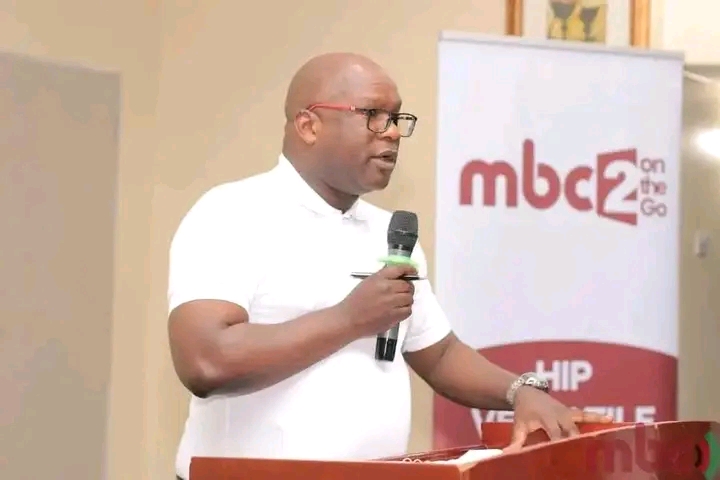
The public apology by MBC Director General George Kasakula to President Professor Arthur Peter Mutharika reopens deep conversations about professionalism, accountability, and political influence in Malawi’s state media.
The Director General of the Malawi Broadcasting Corporation (MBC), George Kasakula, made headlines on Friday, 10 October 2025, when he publicly apologized to President Professor Arthur Peter Mutharika during a live broadcast.
The apology, delivered in real time before thousands of Malawian viewers, was a moment that captured both surprise and reflection across the political and media landscape.
Kasakula expressed deep regret over insults and disparaging remarks directed at President Mutharika during the campaign period in the Timvetse program — a show that has often stirred political debates in the country.
In his address, Kasakula acknowledged that his comments were not only inappropriate but also fell short of the ethical and professional standards expected from the head of a national broadcaster.
He admitted that his conduct during the campaign season may have contributed to deepening mistrust between the media and certain political actors, especially within the opposition Democratic Progressive Party (DPP).
Kasakula went further to say that leadership requires humility and reflection, and that the passage of time had given him the space to reassess his tone and words used against political figures, including Mutharika.
Observers were quick to note that such a direct and public apology from a top media executive is a rare event in Malawi’s political history.
Over the years, the relationship between MBC and various political administrations has been characterized by accusations of bias, censorship, and manipulation of editorial content to suit those in power.
The Timvetse program, in particular, had become synonymous with combative political rhetoric, often criticized for airing unbalanced commentary targeting opposition leaders during the early years of the Tonse Alliance administration.
Kasakula’s apology, therefore, was not merely a personal statement — it was a symbolic moment that reawakened national debate about media ethics, accountability, and the role of state institutions in democratic governance.
Political analysts say the timing of the apology is politically significant.
It comes at a time when Malawi’s political atmosphere is slowly shifting ahead of the next general elections, with increasing calls for neutrality, professionalism, and transparency in state-owned media institutions.
For years, opposition parties — including the DPP, UTM, and UDF — have accused MBC of being used as a propaganda tool by whichever political bloc is in power.
They have argued that MBC’s editorial stance often mirrors the political sentiments of ruling authorities rather than adhering to the principles of balanced journalism.
Kasakula’s open apology may, therefore, signal a turning point, or at least a recognition of the need to reform the institutional culture of the broadcaster.
In acknowledging his mistakes, Kasakula positioned himself as a leader willing to confront the legacy of bias that has defined MBC’s public perception for decades.
Yet, not everyone is convinced by the gesture.
Within the DPP, reactions have been mixed.
Party spokesperson Shadric Namalomba responded by saying that the DPP has taken note of Kasakula’s apology but will withhold substantive comment until President Mutharika himself gives his response.
Namalomba’s reaction reflects a cautious but deliberate approach.
He emphasized that since the apology was directed personally to the President, it would be improper for the party to comment before its leader, Professor Mutharika, offers his perspective.
This position demonstrates the respect and hierarchical discipline within the DPP’s communication framework, but it also underscores the sensitivity surrounding the issue.
For many within the DPP, MBC’s tone and portrayal of Mutharika during and after the 2020 elections left lasting wounds.
During that period, Mutharika and his administration were often subjected to sharp criticism, satire, and at times, outright ridicule in public broadcasts, which many supporters interpreted as character assassination.
As such, Kasakula’s apology is not just an act of contrition — it is an attempt to heal a deep political and emotional divide.
Civil society voices have also weighed in on the matter.
Media Council of Malawi (MCM) Executive Director, Teresa Ndanga, commended the apology as a step in the right direction, noting that it sets an important example of leadership accountability in the media sector.
However, she stressed that a genuine apology must be followed by demonstrable changes in newsroom policy, editorial independence, and fairness in news reporting.
Ndanga’s remarks resonate with a growing public sentiment that apologies alone are not enough — what Malawians need is sustained transformation in how the state media operates.
Meanwhile, social media has been awash with mixed reactions.
Some citizens praised Kasakula for showing maturity and humility, saying that it takes courage to publicly admit wrongdoing.
Others, however, questioned whether the apology was strategically timed — possibly as part of a broader political recalibration ahead of potential changes in government or shifts in media leadership.
These contrasting views highlight the complex intersection between media credibility, political alignment, and public trust.
A key question now facing the country is whether MBC will embrace the spirit of the apology and undertake structural reforms that can restore its status as a truly national broadcaster.
For years, the institution has been accused of failing to separate state functions from party politics.
Reforming such a system requires more than words — it requires commitment to new editorial policies, staff retraining, and independent oversight mechanisms that protect journalists from political interference.
If Kasakula’s apology marks the beginning of that transformation, then it could be remembered as a watershed moment in Malawi’s media history.
But if it remains a mere public relations exercise, it may instead deepen cynicism about the sincerity of leadership in the public sector.
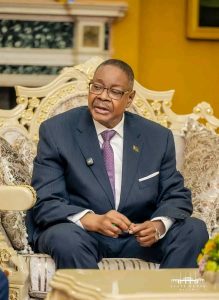
For President Mutharika, the apology presents a moral and political dilemma.
Should he accept the apology publicly, it could enhance his image as a forgiving and statesmanlike leader, demonstrating magnanimity in the face of past insults.
However, if he rejects or ignores it, that decision could be interpreted as lingering resentment, potentially affecting how he is perceived by neutral voters and the international community.
Either way, Mutharika’s response will carry symbolic weight, shaping how both supporters and critics interpret the evolving relationship between the DPP and state institutions.
Beyond the political calculations, Kasakula’s apology reignites broader national reflections on ethics in public discourse.
Malawians are increasingly aware of how language used by public figures — whether in politics, media, or civil society — shapes national unity and public morality.
The era of social media and digital communication has made every word and action instantly visible, magnifying the impact of both good and bad behavior.
Therefore, when a high-ranking official like Kasakula admits fault, it sends a powerful message about the value of humility, professionalism, and responsibility.
It also challenges other leaders, in both media and politics, to consider how their words and actions affect the fabric of public trust.
At the heart of this episode lies an important lesson: words spoken carelessly in public can have long-lasting consequences.
As one observer aptly put it, “When you do foolish things in public, you must know there is a price.”
In Malawi’s case, that price has been years of strained relations between government institutions and the citizens they serve.
Kasakula’s public repentance could, therefore, be seen as part of a national healing process — an effort to mend fractures in the country’s communication ecosystem and rebuild respect for truth and civility.
If MBC follows through on this moment with real reforms and editorial integrity, it could regain its position as a trusted national voice that unites rather than divides.
But if not, the apology will remain an isolated act in a long history of unfulfilled promises.
As Malawians await President Mutharika’s reaction, one thing is certain — this event has opened a new chapter in the ongoing dialogue about the role of the media, the limits of political expression, and the enduring power of accountability in public life.