
Malawi targets 135,000 houses under new five-year strategic plan

The government has set a target of constructing 135,000 houses over the next five years as part of efforts to address Malawi’s growing housing demand, improve land administration and promote sustainable urban development.
Minister of Lands, Housing and Urban Development Chimwemwe Chipungu announced the target in Lilongwe on Tuesday during the launch of the ministry’s 2026–2031 Strategic Plan.
Chipungu said the plan would focus on expanding access to adequate housing, improving urban planning and strengthening transparency and accountability in land management.
He said the introduction of a Land Information Management System would help modernise the ministry’s operations by allowing people with internet access to apply for and pay for documents digitally.
“If we have this up and running, Malawians and all people of good standing will have trust in us that what we are doing is totally transparent and that we will be accountable at the end of the day,” Chipungu said.
The minister observed that Malawi’s population, now exceeding 20 million, had increased pressure on land, housing and urban infrastructure, requiring new approaches to settlement planning and housing delivery.
To ease the pressure, the government is promoting the construction of ground-plus-one buildings and introducing sectional titles, which allow different people to own individual units within the same building.
Chipungu called on stakeholders, particularly the private sector, to support the implementation of the strategic plan through investment, partnerships and other forms of assistance.
Eris Properties Malawi Limited Chief Executive Officer Washington Chimuzu said private developers were ready to strengthen their contribution to housing delivery by increasing investment and collaborating with the government.
Chimuzu said cooperation between the public and private sectors was essential to addressing housing challenges and creating employment opportunities as urbanisation continued to put pressure on infrastructure and public services.
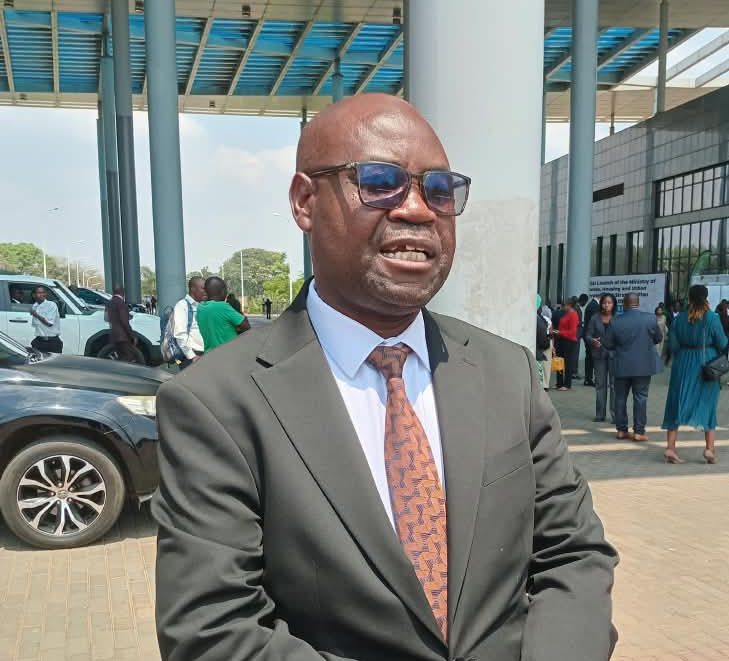
Ching’onga Estate Agency Managing Director Marko Ching’onga also stressed the importance of involving private developers in implementing Malawi’s long-term development agenda under Malawi 2063.
“Private sector plays a vital role in development as far as innovation is concerned. International and local planning to building is very important, especially for Malawians and other people who stay outside the country,” Ching’onga said.
He said developers should take an active role in establishing planned estates within communities and neighbourhoods to promote organised settlements and sustainable urban growth.
The 2026–2031 Strategic Plan was launched under the theme, “Equitable Access to Secure, Adequate Housing and Sustainable Urban Development for All.”
Its implementation is expected to depend on coordinated efforts between government institutions, private developers and other stakeholders to expand housing opportunities, improve land management and support the country’s urban development ambitions.