Dowa Council Urges Stronger Collaboration Among Development Partners
The Dowa District Council has called for stronger collaboration among stakeholders implementing various development interventions in the district, emphasizing that teamwork enhances transparency, accountability, and community impact.
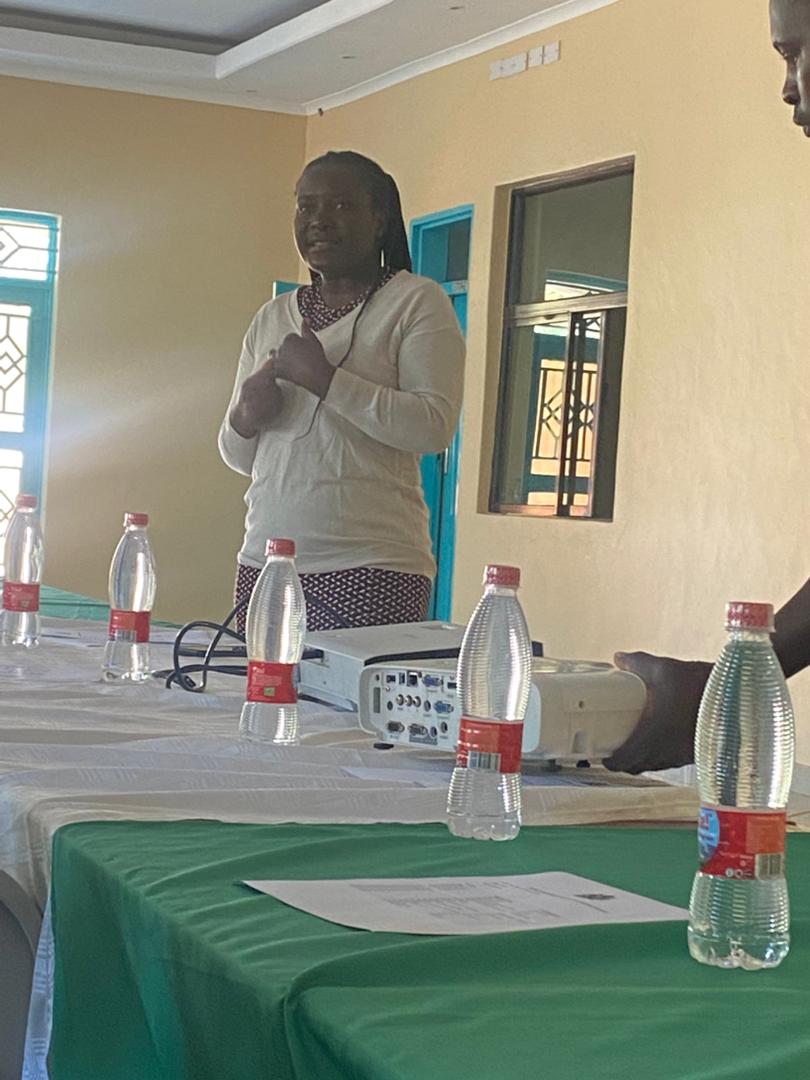
Speaking during a District Executive Committee (DEC) meeting held at the district’s boma, the Council’s Director of Planning and Development, Mercy Mpakule, said the district’s progress is largely attributed to the joint efforts of development partners. She stressed that effective collaboration begins with consistent sharing of project reports.
“Without project reports, the Council cannot effectively track and measure the impact of the interventions being implemented across the district,” said Mpakule.
She expressed concern over the continued non-compliance by some Civil Society Organizations (CSOs) in submitting their quarterly or monthly reports, describing the situation as not only worrisome but also detrimental to the sustainability of their projects.
“Billions of US dollars are being injected into the district to support various social programs. However, failure by partners to submit their reports to the Council’s Monitoring and Evaluation section raises questions about the actual work being done on the ground,” she said.
Mpakule appealed to all partners to improve accountability mechanisms, especially since many of their donors rely on the Council to verify project progress. She added that transparency helps build donor confidence and community trust.
She also commended those partners who consistently submit their reports, urging others to follow their example.
“Project reports are essential in tracking the progress of interventions in line with the District Development Plan,” she emphasized.
Meanwhile, during the same meeting, Dowa Police Station’s Officer-in-Charge, Armakio Daka, raised concerns over the continued water supply challenges faced by residents around Dowa boma. He criticized the Central Region Water Board (CRWB) for failing to provide piped water for several weeks, forcing residents to fetch water from distant sources.
Daka also noted that when water does become available, it often appears muddy and unsafe. He appealed to CRWB to prioritize the provision of clean, potable water to its customers.