RBM targets fraud, high charges in digital payment reforms
The Reserve Bank of Malawi (RBM) says it is developing regulatory measures to address persistent challenges in digital financial services, including fraud, high mobile money charges, failed transactions and difficulties in paying utility bills.
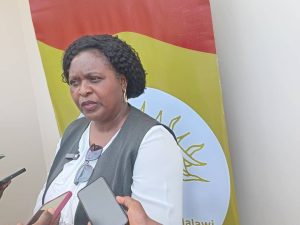
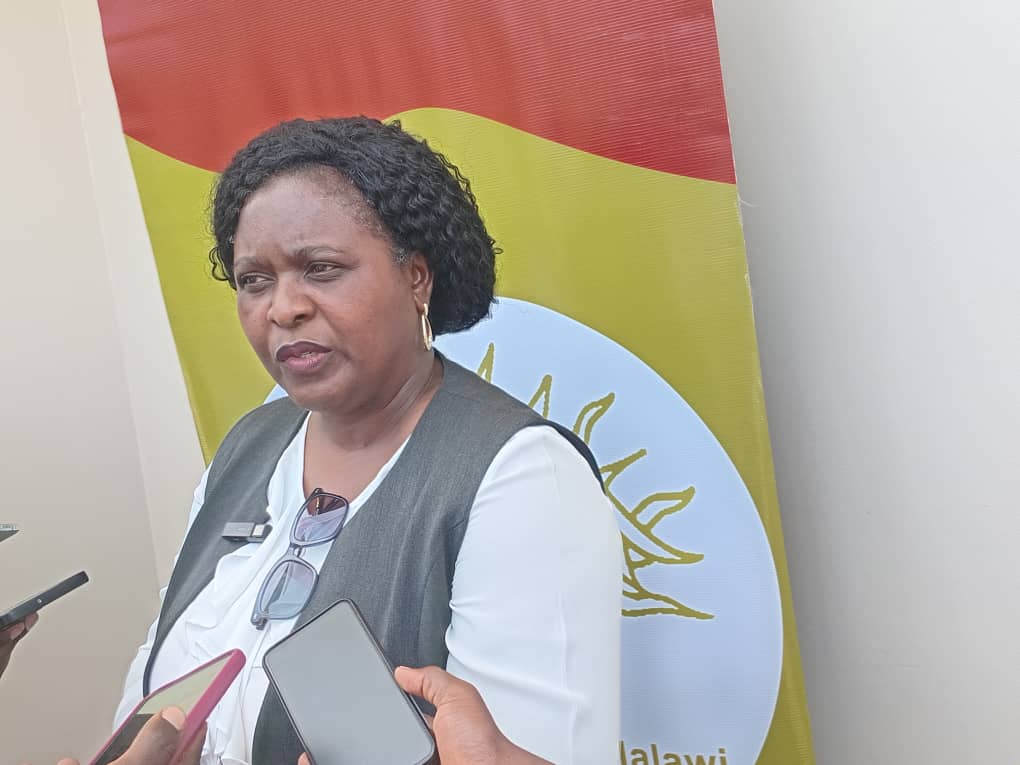
RBM Director of National Payment Systems Angella Mjojo said this on Wednesday during the National Payments Stakeholders Conference in Lilongwe, where stakeholders discussed ways of improving the country’s digital payment ecosystem.
Mjojo said the central bank was working with government and financial sector players to improve digital payment services and strengthen consumer protection.
She said RBM had received several complaints from consumers over mobile money transactions, which were being handled through its consumer protection department.
“We also recognise that service providers are an important point of contact for consumers. Customers should first approach their service providers for assistance, and if their concerns are not resolved, they can escalate the matters to the RBM,” Mjojo said.
She disclosed that the central bank was also working on regulatory interventions, some of which are expected to be introduced soon, to improve the efficiency and reliability of digital payment systems.
On transaction charges, Mjojo said RBM engages stakeholders through the National Payments Council to discuss ways of addressing the cost of digital financial services.
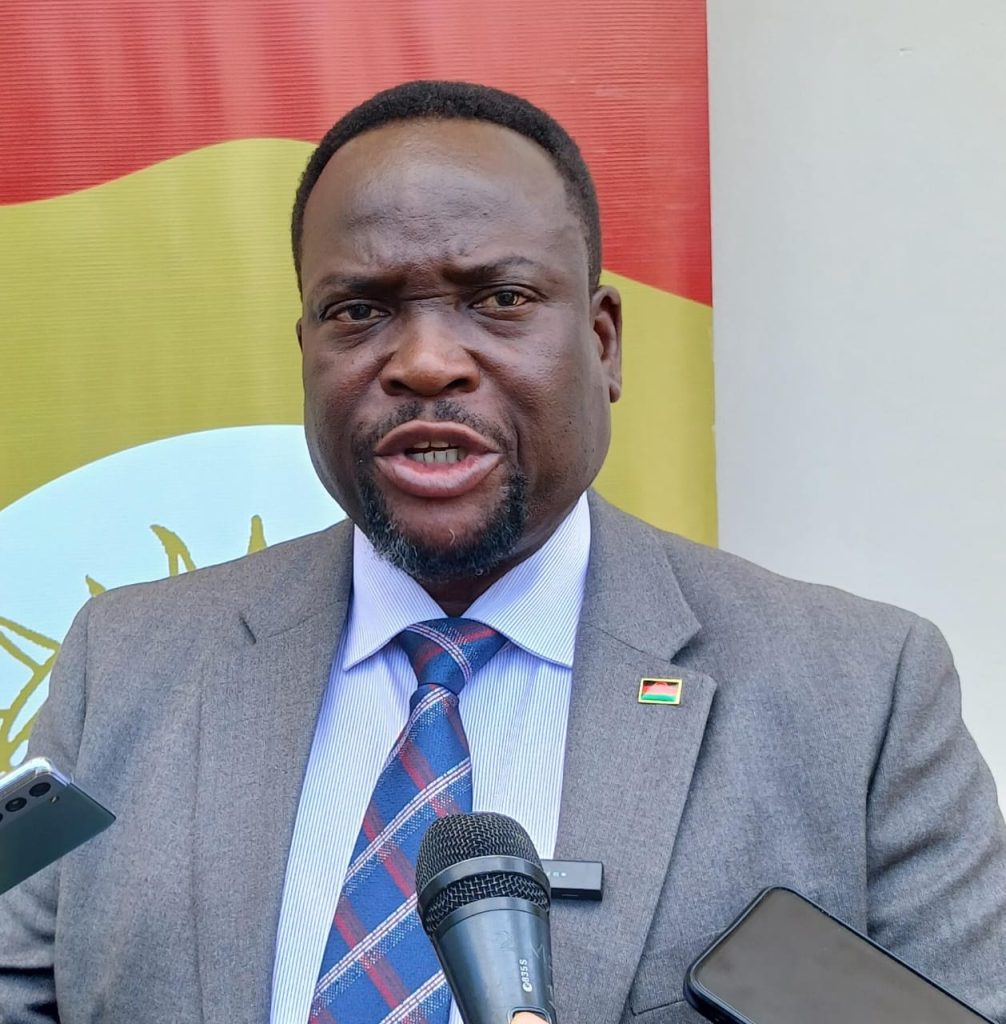
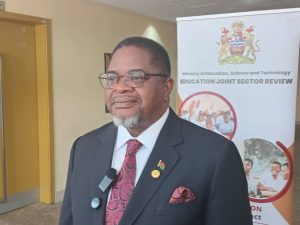
Meanwhile, Principal Secretary in the Ministry of Information and Communications Technology responsible for Electronic Government, Prosper Mopiwa, challenged mobile money operators to strengthen their fraud prevention systems to protect consumers and restore public confidence.
Mopiwa said government had brought together financial sector players and RBM to explore practical solutions to fraud as Malawi advances its digital transformation agenda.
“We have brought these operators together with government and the RBM to discuss ways of tackling fraud. As we transform digitally as a nation, we must also pay attention to digital trust,” he said.
He also raised concerns over high mobile money transaction charges, saying they were discouraging people from embracing digital financial services.
Mopiwa called on service providers to consider affordable charges, noting that many Malawians were already facing economic hardships.
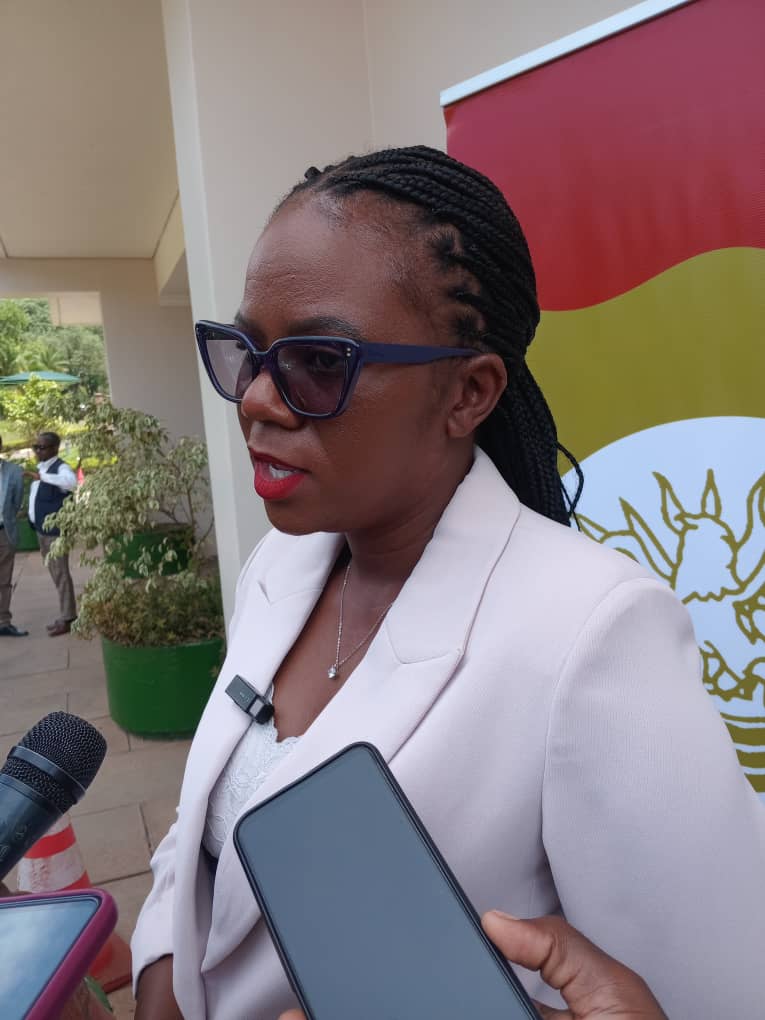
Airtel Money Managing Director Thokozani Kamkondo Sande acknowledged the challenges facing the sector, highlighting network reliability and fraud as some of the major concerns.
She said reliable network connectivity was critical to ensuring smooth digital transactions, as mobile money operators depend on telecommunications infrastructure to deliver services.
“Digital transactions require connectivity, and this is something we depend on service providers to facilitate,” Kamkondo Sande said.
She also highlighted social engineering scams, in which fraudsters manipulate unsuspecting customers into disclosing confidential financial information.
Kamkondo Sande said some fraudulent activities in Malawi were reportedly being coordinated by inmates in prisons, adding that Airtel Money had established a fraud task force involving RBM and the Malawi Communications Regulatory Authority (MACRA).
She said the initiative also prioritises customer awareness and that interventions were beginning to yield improvements.
The Airtel Money managing director further encouraged customers to use mobile money for direct merchant payments instead of routinely withdrawing cash.
She explained that merchant payments could help reduce transaction costs, as agents earn commissions from cash withdrawals, while customers can pay businesses directly through mobile money.
The conference was held under the theme, “Digitalisation of Payments and Its Impact on Everyday Life.”