German Minister Commends Dedza’s Efforts to Strengthen Food Security
German Federal Minister for Economic Cooperation and Development Christian Zoll has commended Dedza District Council for its efforts to transform food systems and strengthen resilience against climate-related agricultural challenges.
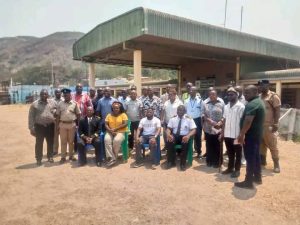
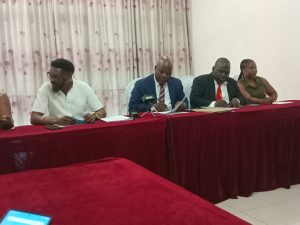
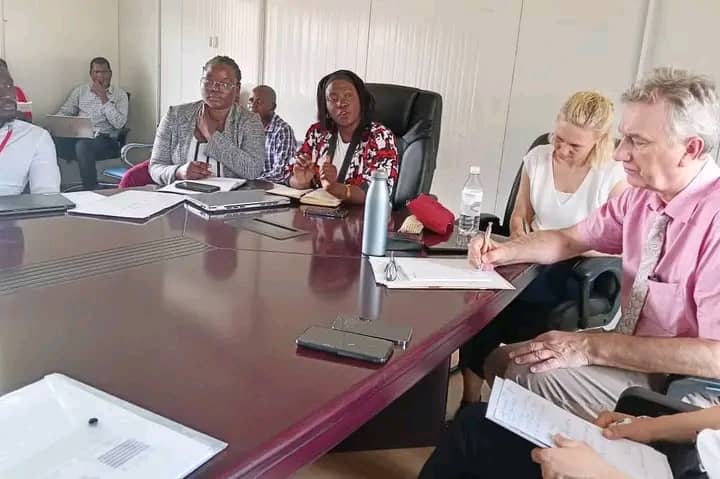
According to the Malawi News Agency (MANA), Zoll made the remarks on Monday during a visit to Dedza District, where he led a delegation to assess progress on initiatives aimed at improving food production and addressing challenges facing farmers.
Zoll said the visit provided an opportunity to appreciate ongoing interventions, understand the difficulties facing local communities and identify areas where development partners could offer additional support.
“We came to appreciate the interventions, hear the challenges and how we can intervene and support some projects under food system transformation,” he said.
Dedza District Council Principal Nutrition and HIV/AIDS Officer Lottie Makina said climate-related shocks and rising agricultural input costs were threatening crop production, highlighting the need to promote diversified farming as a strategy for improving household food security.
Makina cited recurring floods, prolonged dry spells and high input costs as some of the major challenges affecting maize production. She said farmers needed support to adopt alternative crops that could withstand changing weather patterns and reduce dependence on maize.
She also identified limited access to certified seeds, reliance on rain-fed agriculture, land degradation and declining soil fertility as factors undermining agricultural productivity and increasing the risk of food insecurity.
Makina further called for investment in value addition, agricultural processing and market access to enable farmers to secure better returns from their produce and improve their livelihoods.
Meanwhile, Collina Msongole of Mawindo Enterprise said her organisation was supporting farmers with agricultural inputs and quality seeds while helping them make informed decisions on food system transformation.
Msongole said addressing the challenges required coordinated efforts involving government institutions, development partners, private-sector players and local communities.
The visit comes amid growing concerns over the impact of climate change, rising production costs and limited access to agricultural resources on Malawi’s food security.
Stakeholders believe that promoting crop diversification, improving access to quality seeds, strengthening sustainable land management and expanding agricultural markets could help build resilient food systems and improve the livelihoods of farmers in Dedza and other parts of the country.