Mwanamvekha Applauds World Bank for Malawi Economic Monitor
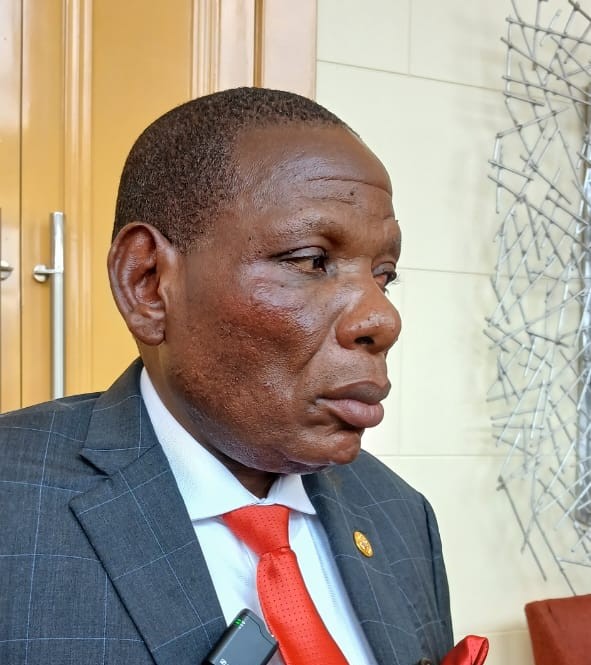
Minister of Finance, Economic Planning and Decentralisation Joseph Mathyola Mwanamvekha has applauded the World Bank Group for producing the Malawi Economic Monitor (MEM), saying its recommendations can help stabilise the economy and unlock sustainable economic growth.
Mwanamvekha made the remarks on Thursday when he officially launched the 23rd edition of the Malawi Economic Monitor under the theme, “Building Stability to Unlock Growth: Reforming Malawi’s State-Owned Enterprises for Better Services.”
He said the measures proposed in the report were important and assured that government would continue to stay the course while adopting some of the recommendations.
“For us to do more and for the economy to stabilise, we need every Malawian, development partners, state-owned enterprises (SOEs) and the private sector. It is a collective responsibility. As government, we will do our best to ensure that we stabilise the economy,” Mwanamvekha said.
The Minister also addressed concerns surrounding the presence of the International Monetary Fund (IMF) and the World Bank in Malawi, particularly speculation that their involvement could lead to currency devaluation and higher prices of goods.
“I understand their fears because that has been the case before. But what I want to assure Malawians is that this time around, we are negotiating with the IMF and World Bank on issues of economic growth. We do not have to repeat the same mistakes that we made before,” he said.
Mwanamvekha said government needed to introduce reforms that were properly sequenced and timed, while ensuring that they benefited and protected vulnerable Malawians.
He said government did not want reforms to simply be imposed by the IMF, but wanted them to emerge from Malawians themselves, including the private sector and academia, to make implementation easier and more sustainable.
On state-owned enterprises, Mwanamvekha acknowledged that the sector faced numerous challenges, including financial losses and inefficiencies, warning that poor management of SOEs posed risks to the national budget.
He said his ministry was implementing reforms aimed at improving accountability and transparency in SOEs, including ensuring that they produce audited financial statements and management accounts in line with the Public Finance Management Act.
Mwanamvekha said Malawi had made progress towards economic stabilisation but needed to undertake further reforms for people to begin seeing tangible benefits.
He cited reduced prices of goods and a narrowing gap between the official and parallel foreign exchange rates as some of the indicators that Malawians would expect to see.
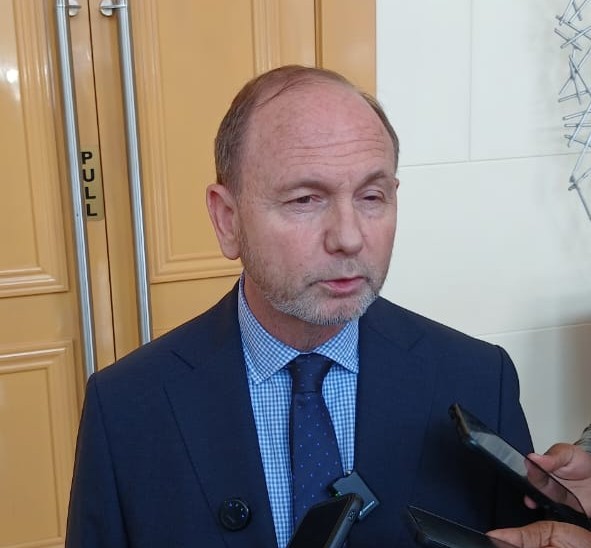
Meanwhile, World Bank Division Director for Tanzania, Zambia, Zimbabwe and Malawi Firas Raad commended government for initiating reforms in the SOE sector, describing the sector as critical to service delivery.
Raad, however, said significant reforms were still required to unlock economic growth and address fiscal risks.
“The SOE sector is an important development agenda because SOEs are critical for the provision of essential services to the population and they represent significant fiscal risks to the Treasury,” Raad said.
He urged government and other stakeholders to strengthen corporate governance and consider the recommendations contained in the Malawi Economic Monitor.
Raad also stressed the importance of macroeconomic stabilisation in promoting private sector growth, saying government needed to create a conducive business environment, invest in critical infrastructure and strengthen resilience to protect vulnerable communities from natural disasters.
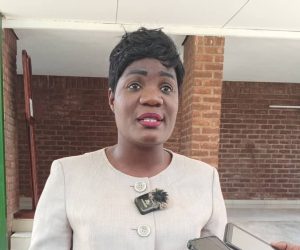
On her part, Economic Association of Malawi (ECAMA) Executive Director Esmie Kanyombo said Malawi’s economy had stabilised but still needed stronger economic growth.
She noted that the economy is projected to grow by 2.7 percent in 2026, compared with a population growth rate of 2.6 percent.
“So this growth is a good number looking at where we are coming from, but it is not enough to take a lot of Malawians out of poverty or create enough jobs for our youths,” Kanyombo said.
She said more needed to be done to transform key sectors of the economy, particularly agriculture, which requires government support in areas such as foreign exchange and other facilities.
Kanyombo also called for greater support to the private sector, which she described as an engine of economic growth, including reviewing preferential treatment to create a more competitive environment capable of driving investment and economic expansion.
The 23rd edition of the Malawi Economic Monitor focuses on reforms in Malawi’s state-owned enterprises as a pathway to improving public services and unlocking economic growth.