Malawi turns to domestic resources as donor support for social protection declines
Malawi is being forced to rethink how it finances social protection programmes as declining donor support threatens efforts to assist vulnerable communities facing persistent economic and climate-related shocks.
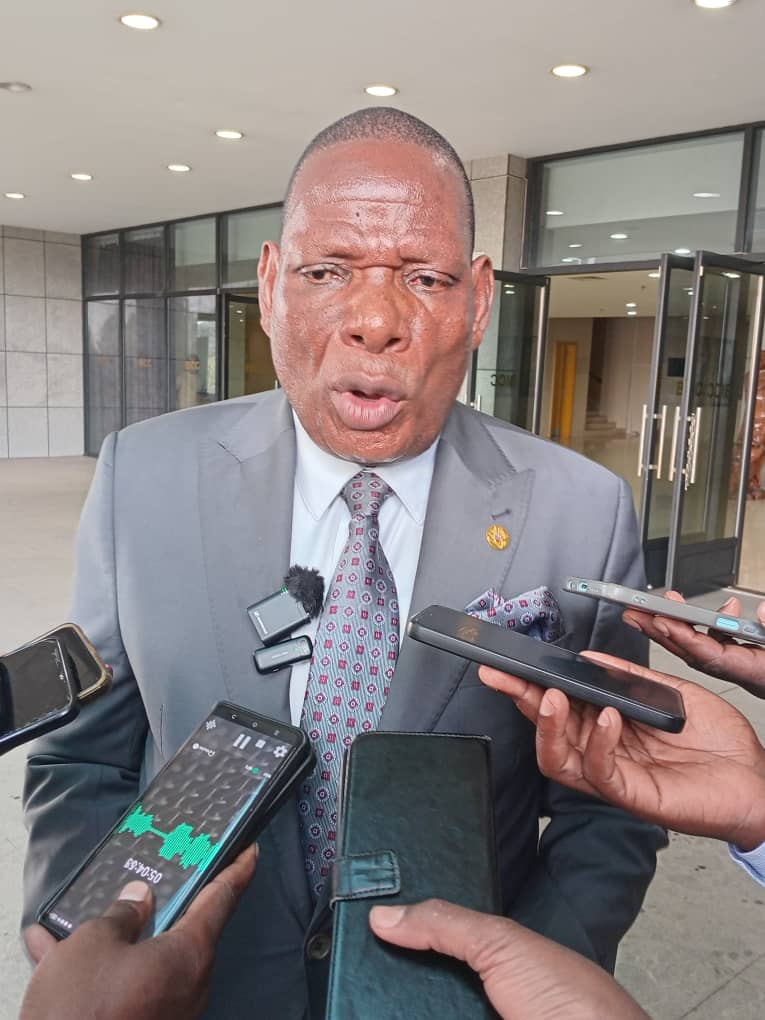
Minister of Finance, Economic Planning and Decentralisation Joseph Mathyola Mwanamvekha said the country could no longer rely heavily on external assistance to sustain programmes supporting older persons, orphans, persons with disabilities and other vulnerable groups.
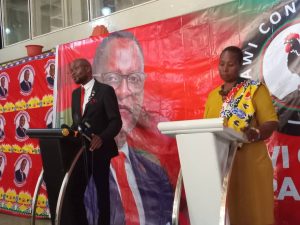
Mwanamvekha made the remarks in Lilongwe on Friday when he launched the Sustainable Financing Strategy for Social Protection, which seeks to identify reliable and long-term sources of funding for the sector.
He said donor support for social protection had declined over the years, creating an urgent need for Malawi to strengthen domestic resource mobilisation.
“So obviously, as a country, we need to find a sustainable way through which we can raise domestic resources and be able to support the sector,” Mwanamvekha said.
The Minister said the strategy provides different financing options that government can assess to determine which approaches are practical, sustainable and suitable for implementation.
He said securing predictable financing was particularly important because climate-related disasters and other economic shocks often increase the number of people requiring social protection at a time when government resources are already under pressure.
Mwanamvekha said government would continue engaging development partners and the private sector while exploring domestic financing mechanisms to ensure vulnerable people receive sustained support.
He also called for stronger coordination among government institutions, non-governmental organisations and development partners involved in social protection.
According to Mwanamvekha, several stakeholders have been implementing initiatives aimed at supporting vulnerable communities, but inadequate coordination has limited the impact of such interventions.
Minister of Gender, Children, Disability and Social Welfare Mary Thom Navitcha said the government must urgently find alternatives to donor-dependent financing, particularly for the Social Cash Transfer Programme.
She said the expansion of the programme from one district to four districts demonstrates government’s commitment to reaching more vulnerable people, but warned that continued dependence on donor funding could undermine its sustainability.
“As government, we need to sit down and restrategise so that we come up with sustainable ways of continuing the Social Cash Transfer Programme without depending entirely on donor cycles,” Navitcha said.
World Bank Country Manager Abdu Muwonge said the financing strategy comes at a critical time as donor resources decline while vulnerable households continue to face economic and climate-related shocks.
He said establishing a robust domestic financing system would give government greater capacity to maintain support for extremely vulnerable groups during crises.
“But if the government develops a robust system for sustainable financing, then that gives hope that, in the event of an adverse situation, there will be an opportunity to continue cushioning the most extremely vulnerable groups,” Muwonge said.
Muwonge also urged government to improve efficiency in the delivery of social protection services and explore additional domestic revenue sources.
He said options could include reviewing tax expenditures, waivers and exemptions in selected areas to create fiscal space for increased investment in social protection.
The strategy is therefore expected to shift Malawi towards a more resilient and domestically supported social protection system, reducing the sector’s vulnerability to changes in donor funding while ensuring assistance remains available when economic and climate-related crises strike.