Gender Ministry Faces K125 Billion Funding Crisis for Vulnerable Groups
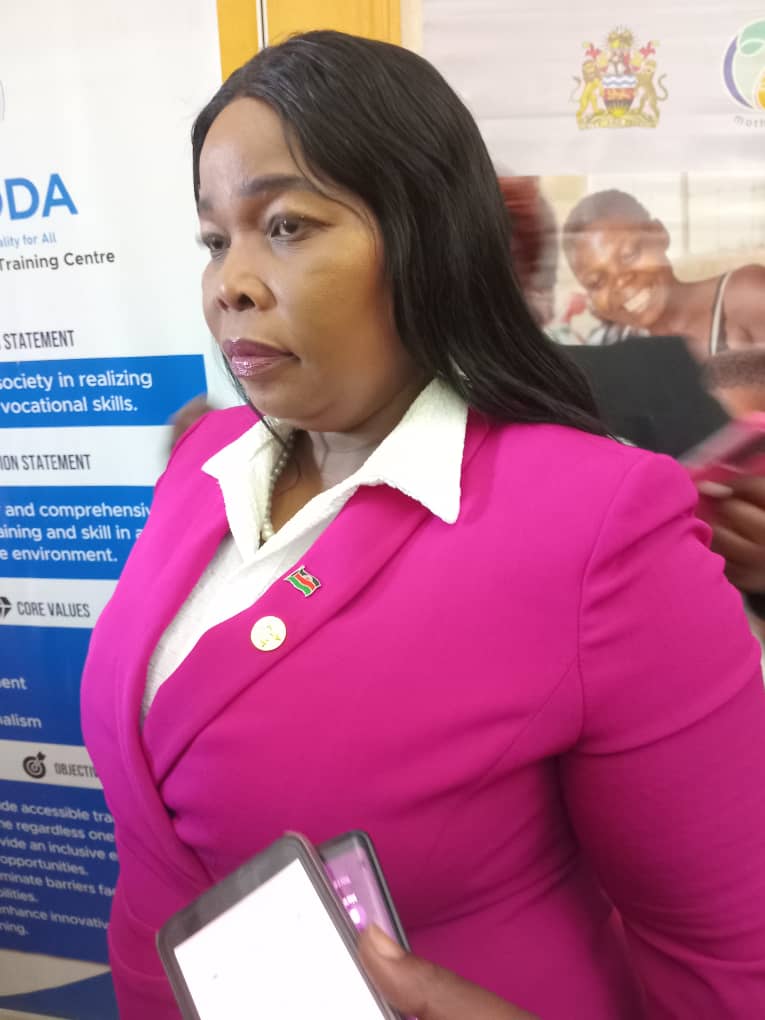
LILONGWE — The Ministry of Gender, Children, Disability and Social Welfare is facing a funding gap of approximately K125 billion needed to implement programmes targeting vulnerable and marginalised groups across Malawi.
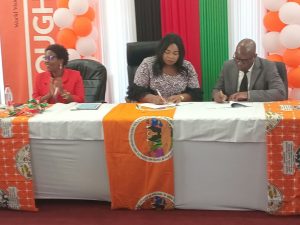
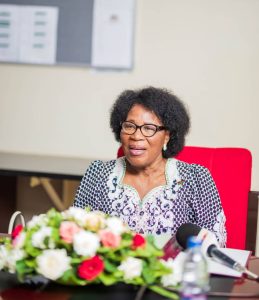
Minister of Gender, Children, Disability and Social Welfare Mary Thom Navitcha disclosed this on Thursday in Lilongwe during the establishment of the Partnership Coordination Group (PCG) on Gender, Children, Disability and Social Welfare.
Navitcha said the funding shortfall required urgent and coordinated action from government ministries and departments, development partners, non-governmental organisations, civil society organisations, religious institutions and traditional leaders.
She said bringing stakeholders together would help them speak with one voice, coordinate interventions and pool available resources to address the challenges confronting vulnerable people.
The minister said the Ministry of Gender remains among the least-funded government ministries despite its responsibility for addressing critical social challenges affecting women, children, persons with disabilities and other vulnerable groups.
According to Navitcha, Malawi already has resources from government and development partners, but poor coordination remains one of the major obstacles to effectively utilising them.
“We are not requesting money from somewhere outside the country. The money is already within the country, but there is a lack of coordination. That is why we really need the PCG so that we can work together, plan together and bring results together,” Navitcha said.
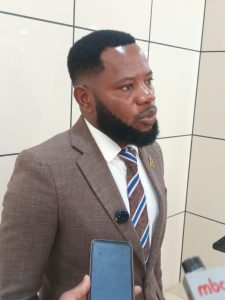
Meanwhile, Chairperson of the Parliamentary Committee on Budget and Finance Sosten Gwengwe called for innovative approaches to resource mobilisation while urging government to cut unnecessary expenditure.
Gwengwe said public spending must reflect Malawi’s economic realities, with government identifying areas where expenditure could be reduced and resources redirected to priority sectors.
He cited government expenditure on expensive vehicles as one area that required serious consideration.
“The kind of vehicles driven by government officials should reflect the level of our economy. Malawi is a small economy, and we must learn to live according to our economic capacity,” Gwengwe said.
Gwengwe pledged Parliament’s support to the Ministry of Gender and said legislators would continue strengthening oversight to ensure that public resources and development assistance are properly utilised.
He added that effective parliamentary oversight would help strengthen confidence among development partners that resources committed to Malawi were being used responsibly and for their intended purposes.
Chairperson of the Parliamentary Committee on Social and Community Services Savel Kafwafwa described the K125 billion funding gap as a worrying development, particularly given the needs of vulnerable and marginalised communities.
Kafwafwa said stronger collaboration between government institutions, Parliament and development partners was essential to bridge the funding gap.
He said his committee would support the Ministry of Gender through the national budget process while encouraging development partners to increase their contribution towards programmes targeting vulnerable groups.
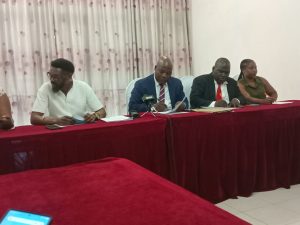
The high-level meeting brought together representatives from government institutions, non-governmental organisations, civil society organisations, development partners, traditional authorities, community leaders and parliamentary committees.
The newly established Partnership Coordination Group is expected to strengthen collaboration among stakeholders, improve resource mobilisation and enhance coordination of interventions aimed at protecting and supporting vulnerable and marginalised people across Malawi.