
WFP Faces $17 Million Gap as 600,000 Malawians Face Lean Season Hunger
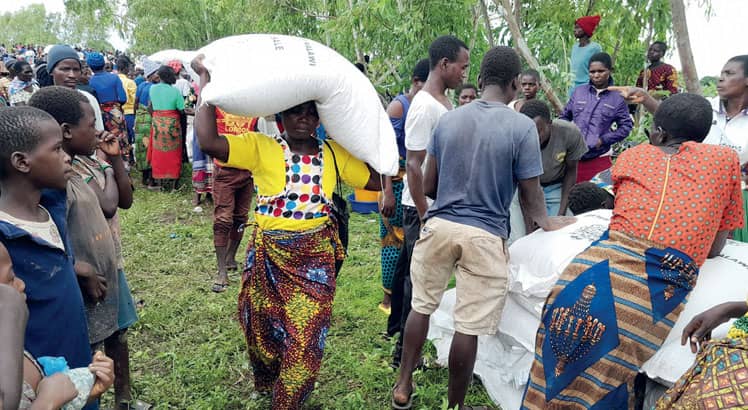
The United Nations World Food Programme (WFP) is seeking about $17 million to provide food assistance to 600,000 vulnerable Malawians as the country braces for a potentially severe 2026/27 lean season.
The planned emergency operation, running from October 2026 to March 2027, will target vulnerable households in Nsanje, Chikwawa, Phalombe and Zomba districts, where food shortages are expected to worsen before the next harvest.
WFP says urgent financial support is needed to purchase and pre-position food supplies before the situation reaches critical levels.
The intervention comes amid projections that more than 2.6 million people could face acute food insecurity during the coming lean season, according to the Malawi Vulnerability Assessment Committee (Mvac), using the Integrated Food Security Phase Classification framework.
WFP’s funding challenges extend beyond the lean-season response. The agency estimates a $96 million funding gap for its broader operations between August 2026 and January 2027, threatening food assistance, nutrition services and school-feeding programmes.
WFP has also warned of rising cases of moderate acute malnutrition, with supplies of specialised nutritious foods expected to run out by November unless additional funding is secured.
Since 2025, the agency has supported the Ministry of Health and Sanitation in treating moderate acute malnutrition among more than 145,000 children, pregnant and breastfeeding women, and people living with HIV or tuberculosis.
The school-feeding programme is also under pressure, with about 611,800 learners potentially losing access to school meals from September due to funding shortages. WFP requires an estimated $19.7 million to sustain the programme throughout the 2026/27 academic year.
Meanwhile, Mvac estimates that nearly 97,887 metric tonnes of maize, costing about K124.3 billion, would be required to protect vulnerable households from hunger for three to four months during the lean season.
Department of Disaster Management Affairs Commissioner Wilson Moleni said the government’s 2026/27 Lean Season Food Insecurity Response Plan is expected to be finalised by the first week of September, with implementation scheduled to begin in October.
The projected food crisis follows another difficult consumption period in 2025/26, when about four million people, representing roughly 22 percent of the country’s projected population at the time, experienced food insecurity.
WFP says securing resources before the lean season intensifies will be critical to preventing further deterioration in food security and protecting vulnerable communities from hunger and malnutrition.