VIHEMA Calls for Official Recognition of Deafblindness as a Distinct Disability
The Visual and Hearing Impairment Membership Association (VIHEMA) has urged the Government of Malawi to officially recognize deafblindness as a separate disability, arguing that people living with the condition continue to face exclusion because they are currently classified under either visual or hearing impairment.
The call follows the commemoration of the International Day of Deafblindness on June 27, observed this year under the theme, “Connected by Touch: Break Barriers, Build Bridges.”
VIHEMA says the global observance should serve as a reminder for Malawi to strengthen the inclusion of people with deafblindness through policy reforms, improved access to services, and greater public awareness.
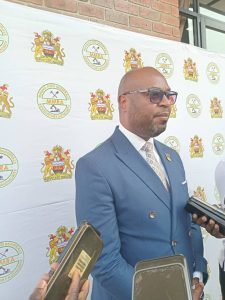
Speaking in an interview, VIHEMA Advocacy Officer Hawkins Munyenyembe described deafblindness as a unique disability that combines both hearing and vision loss, requiring specialized support rather than being treated as an extension of other disabilities.
“We are calling on the Government of Malawi to officially recognize deafblindness as a distinct disability because it requires tailored interventions and specialized support,” said Munyenyembe.
He also appealed to the government to officially designate June 27 as Malawi’s National Deafblindness Day, saying such recognition would increase public awareness and shine a spotlight on the challenges faced by people living with the condition.
Munyenyembe further called for greater investment in training specialists in deafblind education, noting that Malawi currently has very few professionals equipped to support learners with deafblindness. He stressed that specialized teachers and communication support are critical to ensuring equal access to education and other essential public services.
The International Day of Deafblindness is commemorated annually on June 27 in honour of Helen Keller, whose life and achievements continue to inspire global efforts to advance the rights, inclusion, and dignity of people living with deafblindness.