Analysis: The Dr Jane Ansah Foundation’s New Model for Disability Support in Malawi
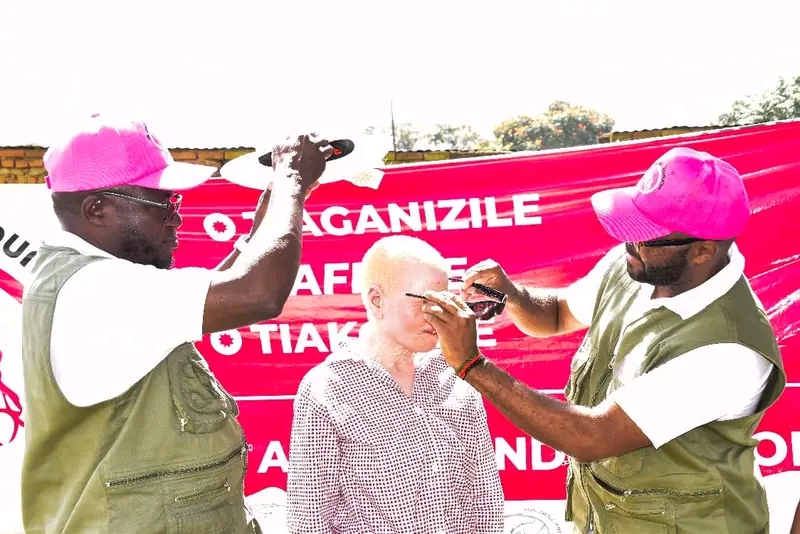
On April 28, 2026, the Dr Jane Ansah Foundation signaled a deliberate shift from short-term relief to long-term empowerment with a donation to 522 people living with disabilities at the Malawi Council for Disability Affairs in Blantyre.
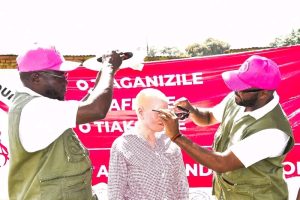
The package included 200 bags of soya pieces, 200 bags of maize flour, 100 pairs of sunglasses, and 22 wide-brimmed hats, a combination designed to address both nutritional needs and the specific health vulnerabilities of persons with albinism.
This targeted approach reflects an understanding that vulnerability is not uniform, and that effective intervention must respond to the distinct challenges faced by different groups within the disability community.
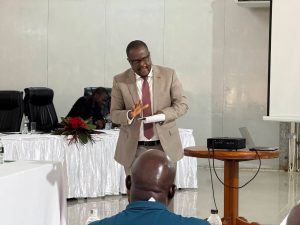
Executive Director Yusuf Nthenda framed the initiative in terms of agency rather than charity, stating that the goal is for the most vulnerable to stand on their own feet and assist themselves.
His remark that “we are giving them a fishing rod, not necessarily fish” distills the Foundation’s evolving philosophy toward sustainable support rather than perpetual handouts.
The emphasis on self-reliance aligns directly with Malawi’s Vision 2063, which positions economic inclusion and human capital development as central to the country’s transformation agenda.
By encouraging beneficiaries to form cooperatives and engage in income-generating activities, the Foundation is embedding its work within a broader push for rural entrepreneurship and cooperative economics.
This strategy acknowledges that food security and economic inclusion are inseparable, particularly for groups historically excluded from formal labor markets.
The Foundation’s reach extends beyond Blantyre, with recent interventions reported in Mangochi, Nsanje, Chitipa, and Karonga, indicating a deliberate effort to scale its model across Malawi’s regions.
Such geographic spread suggests an ambition to build a national footprint, leveraging the Foundation’s linkage to the Office of the Vice President for access and visibility.
The donation’s reception among beneficiaries underscores the demand for practical support that goes beyond symbolic gestures.
Michael Martin, Communications Officer for Concerned Persons with Albinism, noted that the items would improve livelihoods and called for continued backing to achieve inclusive national development.
His comments highlight a persistent gap in state and private sector support for persons with disabilities, particularly in accessing protective equipment like sunglasses and hats that reduce skin cancer risk.
In the international development context, the Foundation’s model resonates with the growing critique of aid that fosters dependency rather than capability.
It reflects a broader trend among African foundations to position themselves as catalysts for agency, using targeted resources to unlock productive potential within marginalized communities.
The focus on persons with albinism is especially notable, given the intersection of disability, health risk, and social stigma that this group faces in Malawi and across the region.
By integrating protective gear with food support, the Foundation addresses both immediate survival and long-term well-being in a single intervention.
The timing of the donation, amid ongoing economic pressures and food insecurity in parts of Malawi, further illustrates how non-state actors are stepping into spaces where public systems are overstretched.
What remains critical is whether the cooperative model being promoted can translate into viable income streams for beneficiaries in markets that remain constrained by infrastructure and capital deficits.
If successful, the Blantyre initiative could serve as a replicable blueprint for disability-inclusive development that balances dignity, agency, and sustainability.