
Jane Ansah Steps into Malawi’s Vice Presidency: Navigating Expectations, Governance, and Leadership Challenges
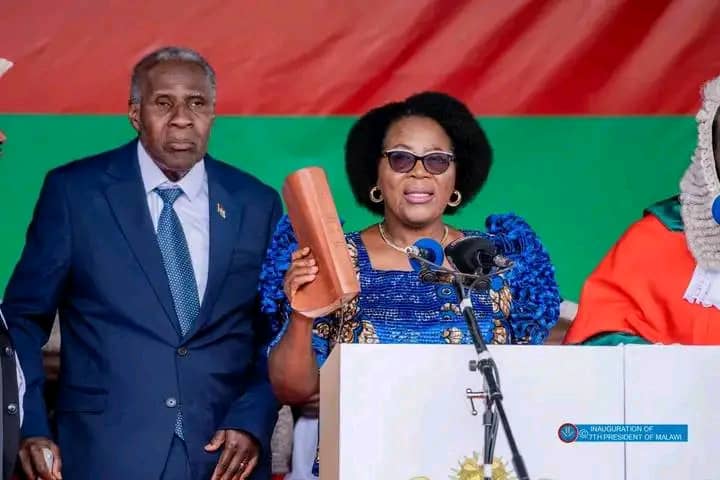
From experience to ethics, the new Vice President faces the task of balancing national priorities, public trust, and institutional reform in a pivotal role.
The appointment of Jane Ansah as Malawi’s Vice President marks a pivotal transition in the country’s executive leadership.
Her ascension to this critical role comes at a time when Malawians are closely observing the government’s ability to deliver effective governance amidst economic pressures and social challenges.
To fully understand the implications of her vice presidency, it is essential to assess her through multiple lenses: professional competence, ethical credibility, political acumen, and capacity for public engagement.
Jane Ansah arrives with a strong portfolio of experience drawn from her extensive public service record.
Her leadership roles in high-profile positions have equipped her with the technical knowledge, administrative skills, and decision-making capacity required to manage complex national responsibilities.
Throughout her career, she has demonstrated resilience, particularly in navigating challenging governance scenarios, which positions her well to handle the pressures inherent in the vice presidency.
Strategic thinking, crisis management, and the ability to build and maintain relationships with stakeholders are among the competencies that define her professional approach.
Beyond individual skills, her appointment carries significant symbolic and practical weight in terms of representation and inclusivity.
As a woman in one of the highest offices in the country, her presence strengthens gender representation in Malawi’s political landscape.
Additionally, her appointment contributes to regional and political balance within the executive, signaling a commitment to inclusive governance that recognizes diverse perspectives.
Policy alignment is a critical area in evaluating any senior executive.
Jane Ansah’s professional orientation aligns closely with the president’s national agenda, particularly regarding reform initiatives, institutional strengthening, and public sector accountability.
Her approach reflects a readiness to implement policies that address long-standing governance challenges rather than merely maintaining existing structures.
Integrity and credibility remain central to public service, and Jane Ansah’s record generally demonstrates transparency, ethical conduct, and adherence to professional standards.
These attributes enhance trust among citizens, civil society organizations, and international partners, all of whom are vital collaborators in national development efforts.
Team dynamics within the cabinet will test her collaborative abilities, as effective governance requires coordination with other ministers, senior bureaucrats, and external stakeholders.
Her leadership style, characterized by a combination of decisiveness and consultation, is likely to foster cohesion while ensuring that diverse viewpoints are considered in decision-making processes.
Crisis management is another key competency, as national leadership often involves responding to emergencies ranging from economic shocks to natural disasters.
Jane Ansah’s prior experience positions her to navigate such situations with efficiency, pragmatism, and resilience.
Public expectations of her performance are significant, as citizens anticipate tangible improvements in service delivery, transparent governance, and proactive communication.
Her ability to articulate policy decisions, engage constructively with the public, and respond to feedback will be closely scrutinized.
Early indicators of performance, such as her involvement in budget oversight, policy implementation, and engagement with parliament and civil society, will offer measurable insights into her effectiveness.
The first three to six months of her tenure are likely to be particularly revealing, as they will highlight how well she balances public expectation with practical governance realities.
Jane Ansah’s vice presidency represents more than an individual appointment; it embodies a test of leadership, institutional capacity, and the potential to drive reform at the highest levels of government.
Her ability to combine professional expertise, ethical leadership, and responsiveness to national concerns will define her legacy and set the tone for executive governance in Malawi.
Ultimately, her role will be judged not only by her decisions and actions but also by the extent to which she contributes to a more transparent, inclusive, and effective government that meets the aspirations of Malawians.