UN Women Says MGCC2 Project Boosting Digital Access for Young Women
UN Women has hailed its Malawi Girls Can Code Too (MGCC2) project for economically empowering girls and young women through increased access to digital technology, aligning with the Malawi Implementation Plan (MIP 2063 Enabler).
Implemented in the districts of Balaka, Dowa, and Mzimba, the initiative aims to bridge the digital gender divide and equip girls and young women with skills in coding, entrepreneurship, gender, and digital literacy by 2027.
The project’s key goal is to foster gender-balanced access to digital tools and technological adoption among rural and urban youth—particularly girls and young women—by 2026 in the three focus districts.
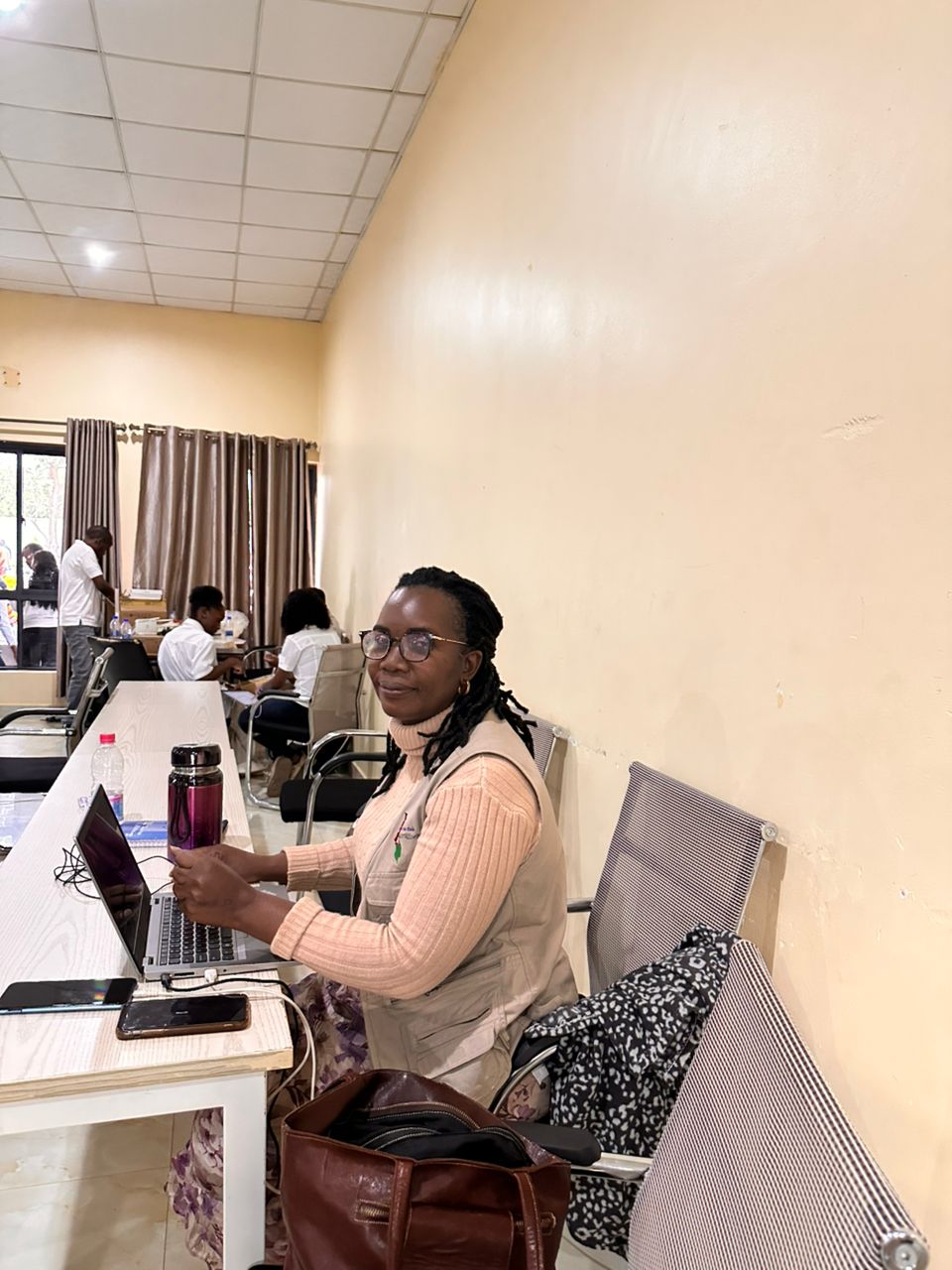
Presenting a progress report for Years 1 and 2 to the Dowa District Executive Committee (DEC), UN Women Programme Consultant Diana Nyirenda said the project has already achieved major milestones in its core strategic areas: equipping girls with coding and digital skills to pursue ICT careers and enhancing access to digital services, gender, and entrepreneurship information for personal and professional development.
“In Year 1, five pilot innovation hubs were established across Balaka, Dowa, and Mzimba, enrolling 40 students per school—70% girls and 30% boys. In Dowa, the targeted schools included Dowa Secondary School, Mvera CDSS, and Natola CDSS, with Cohort 1 successfully completing the programme,” Nyirenda said.
She added that in Year 2, five additional innovation hubs were opened—two in Dowa at Kambulu CDSS and Senga CDSS, one in Mzimba, and two in Balaka. Community School Management Committees were sensitized, and 76 lead teachers, including head teachers, were trained as Trainers of Trainers (ToTs), reaching 406 enrolled students.
In total, five schools in Dowa have benefited from the project, with 35 teachers, including education division officials, receiving ICT training. Learners have also acquired practical coding knowledge—for example, students at Dowa Secondary School are developing an app aimed at addressing food insecurity in their community.
“Most girls participating in the innovation hubs have shown strong interest in pursuing ICT and tech entrepreneurship careers. Additionally, 76 teachers have been trained in the management of ICT equipment, and all 14 targeted schools have completed the branding of their innovation hubs,” said Nyirenda.
Despite the successes, she cited internet connectivity issues and limited ICT support as ongoing challenges. Nonetheless, she praised the project’s transformative impact on rural schools and called for continuous stakeholder support to sustain the momentum.
Dowa District Council’s Director of Planning and Development, Mercy Mpakule, echoed the call, urging all sectors to promote digital skills among girls and young women.
“Everything today is going digital. We must support initiatives like MGCC2 to ensure young women in Dowa and beyond are empowered through digital access and become ICT professionals—not only for their communities but for the entire nation,” Mpakule said.
The Malawi Girls Can Code Too (MGCC2) project is funded by the Irish Embassy and implemented by UN Women in collaboration with the Ministry of Education and the Ministry of Gender.