Self Help Africa Rolls Out Subsidized Cleaner Cooking Stoves Programme
Self Help Africa (SHA), one of the most active international NGOs in Malawi’s energy sector, is implementing a sustainable energy programme aimed at increasing access to improved energy technologies using a demand-side subsidies (DSS) approach. Having already implemented the initiative in Nkhatabay, Salima, Dedza, and Balaka, SHA is now extending the programme to Dowa District.
As one of Malawi’s largest distributors of cookstoves, SHA is promoting a range of strategies and interventions to combat energy poverty. These efforts contribute to the implementation of Dowa’s 2022–2030 District Development Plan, Malawi’s MIP-1, the MW2063 Agenda, and Sustainable Development Goal (SDG) 7: Affordable and Clean Energy.
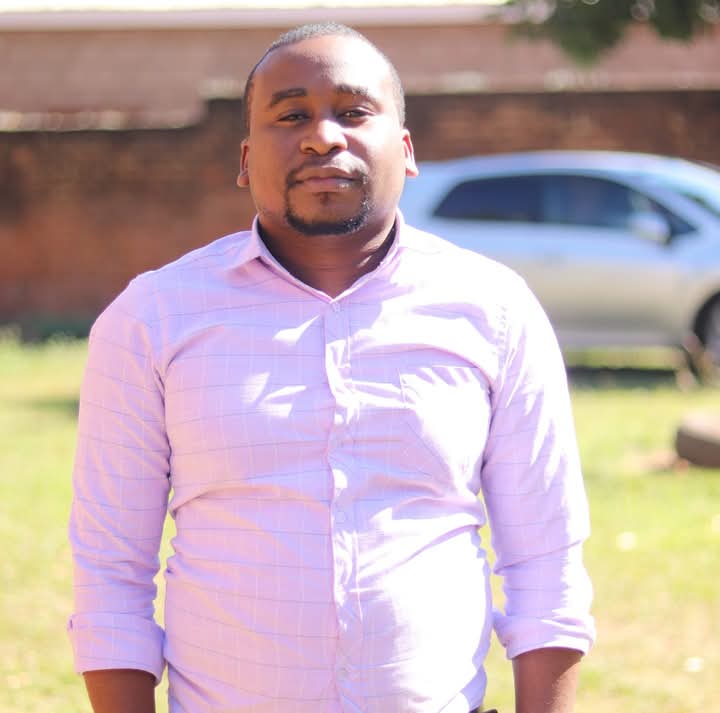
Presenting the programme to the District Executive Committee (DEC) in Dowa, SHA Project Manager Charles Matewere explained that the pilot programme—also being tested in Liberia, Niger, and Uganda—seeks to evaluate subsidies as a strategy to expand access to renewable energy technologies and refine the model for future scale-up.
Matewere noted that the initial districts—Nkhatabay, Salima, Dedza, and Balaka—were selected based on the 100% availability of Unified Beneficiary Register (UBR) data, low electrification rates, and relatively high forest cover. Dowa was selected using the same criteria.
The programme aims to address affordability barriers for improved cookstoves among ultra-poor and vulnerable populations who are not typically reached by commercial markets or existing public initiatives.
The initiative targets 158,900 of the poorest individuals listed in the UBR across the selected districts. Beneficiaries will pay less than MK800 for a Chitetezo Mbaula, an efficient cookstove that offers multiple benefits including fuel efficiency, reduced deforestation, and positive environmental, health, economic, and social impacts.
Currently, over 90% of Malawi’s domestic energy is derived from biomass, the majority of which is unsustainably sourced. In 2023 alone, Dowa lost 40 hectares of natural forest cover. The lack of access to improved energy services continues to negatively affect quality of life, economic growth, and environmental sustainability.