The Worrisome Economic Impacts Of Fuel Shortages in Malawi
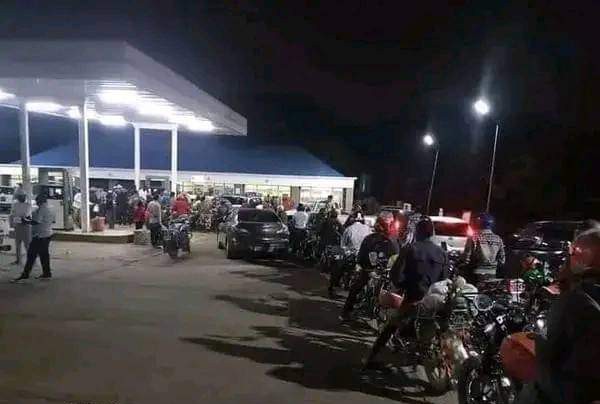
The major short-run impacts of any of the fuel shortage scenarios include a reduction in GNP, increases in prices and interest rates, and a reduction in petroleum product supply, which drives prices up. Automobile sales and housing construction are the two sectors most severely affected.
There are many challenges that arise as a result of fuel shortages in a country. They include: supply chain delays and breakdowns. Increasing business costs – higher gas and fuel prices. Inability to fulfil customer needs – e.g., lack of fuel limiting your ability to deliver goods ordered. Staff shortages as a knock-on impact of the fuel shortage.
Malawi started facing fuel shortages in 2021, though today the situation has escalated, pushing operators of public transportation vehicles and traders to almost double their prices.
The Malawi Energy Regulatory Authority (MERA) through spokesperson Fitina Khonje has told us that the fuel scarcity is due to forex shortage in Malawi. The country has been facing recurring fuel shortages for close to two years now with the root cause being the lack of foreign exchange.
Industries use fuel and renewable energy sources for: Heat in industrial processes and space heating in buildings. Boiler fuel to generate steam or hot water for process heating and generating electricity. Feedstocks (raw materials) to make products such as plastics and chemicals.
So you can guess the many challenges that are there when fuel is not available. In many ways production is affected due to lack of it and this is very bad for a small growing economy of Malawi.
Fuels provide people with most of their electric power and make modern transportation possible. Without fuels there would be no industrialized world as it exists today. Most common fuels are similar to food in many respects.
Solutions
The Government of Malawi, through the Minister of Finance, must make sure forex is available in the country if the economy is to grow.
Foreign exchange markets serve an important function in society and the global economy. They allow for currency conversions, facilitating global trade (across borders), which can include investments, the exchange of goods and services, and financial transactions.
Conclusion
It is the duty of government to fix the economy. In representative democracies, a mandate is a perceived legitimacy to rule through popular support. Mandates are conveyed through elections, in which voters choose political parties and candidates based on their own policy preferences.
Tonse Alliance Government promised to improve the economy of Malawi before assuming office. The economy of this country was in good shape before than it is today. I believe Tonse should be challenged now to fix the broken economy by doing all the necessary things that any government could possibly do.
Speeches and poems by the President should be put aside as Malawians want to see action on the ground !