Malawi’s Moral Compass: Church Leaders Rally Behind Peace and Development
By Burnett Munthali………
A powerful convergence of faith and governance is underway in Malawi, as church leaders from the All Africa Conference of Churches (AACC) and the Malawi Council of Churches engage with government officials to promote peace and development.
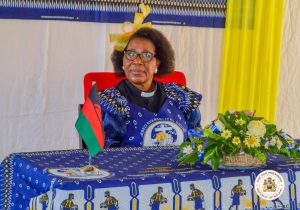
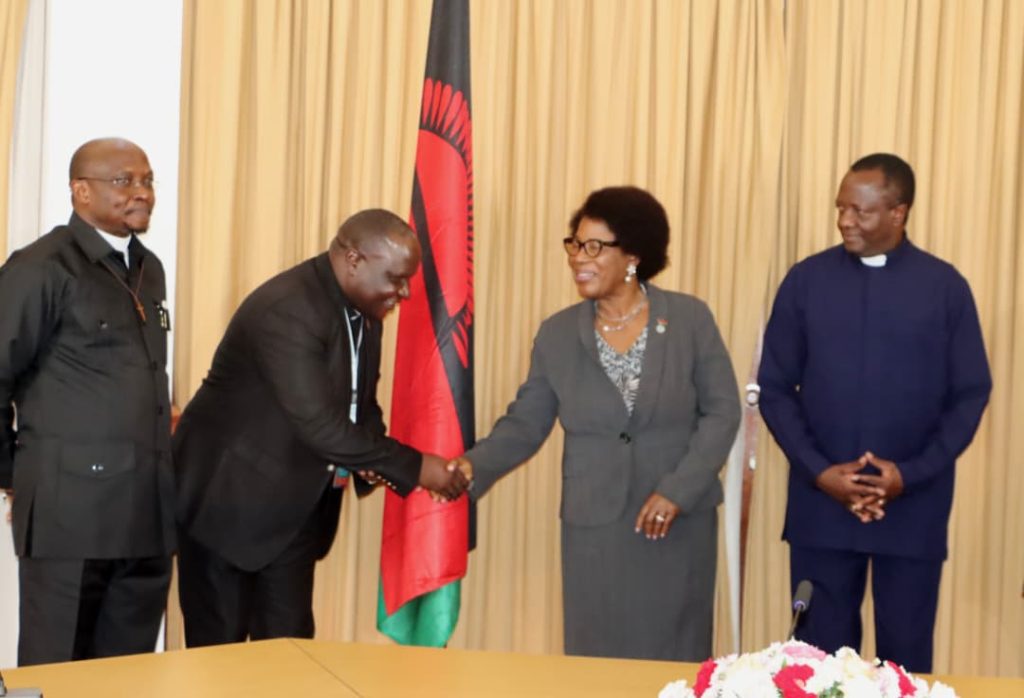
The delegation, led by Rev. Prof. Billy Gama, received a warm welcome from Vice President Dr. Jane Ansah, who acknowledged the church’s tireless efforts in promoting peace and unity across the nation.
Her remarks set a tone of mutual respect, recognizing the church leaders as “servants of God”.
This meeting highlights the symbiotic relationship between the church and government in Malawi, a partnership that is crucial in addressing the country’s development challenges.
The Vice President’s enthusiasm was palpable, reflecting a shared commitment to harnessing faith for national progress.
Rev. Prof. Billy Gama expressed gratitude for the opportunity to engage with the Vice President, emphasizing the intrinsic link between faith and responsible citizenship.
“A good Christian automatically becomes a good citizen,” he stated, underscoring the church’s dedication to promoting national development.
The Malawi Council of Churches is hosting a landmark General Meeting, bringing together 26 member churches, including representatives from the CCAP and Anglican churches.
This gathering is a testament to the church’s proactive role in promoting peace and exploring avenues for contributing to national development.
Rev. Prof. Gama commended the President’s efforts in driving development and peace in Malawi, particularly highlighting the appointment of Dr. Jane Ansah as Vice President.
“Indeed, a lady is an honour,” he said, acknowledging the significant contributions of women to Malawi’s progress.
The AACC General Secretary, Rev. Dr. Fidon Mwambeki, focused on the theme of “life, peace, and dignity,” stressing the need for male champions to promote gender equality and empower women.
He also emphasized the importance of addressing the root causes of conflicts, such as tribalism and power consolidation.
Dr. Mwambeki expressed admiration for Malawi’s commitment to peace and development, noting that the delegation would continue to advocate for this message globally.
He also acknowledged the challenges posed by floods, expressing solidarity with affected communities.
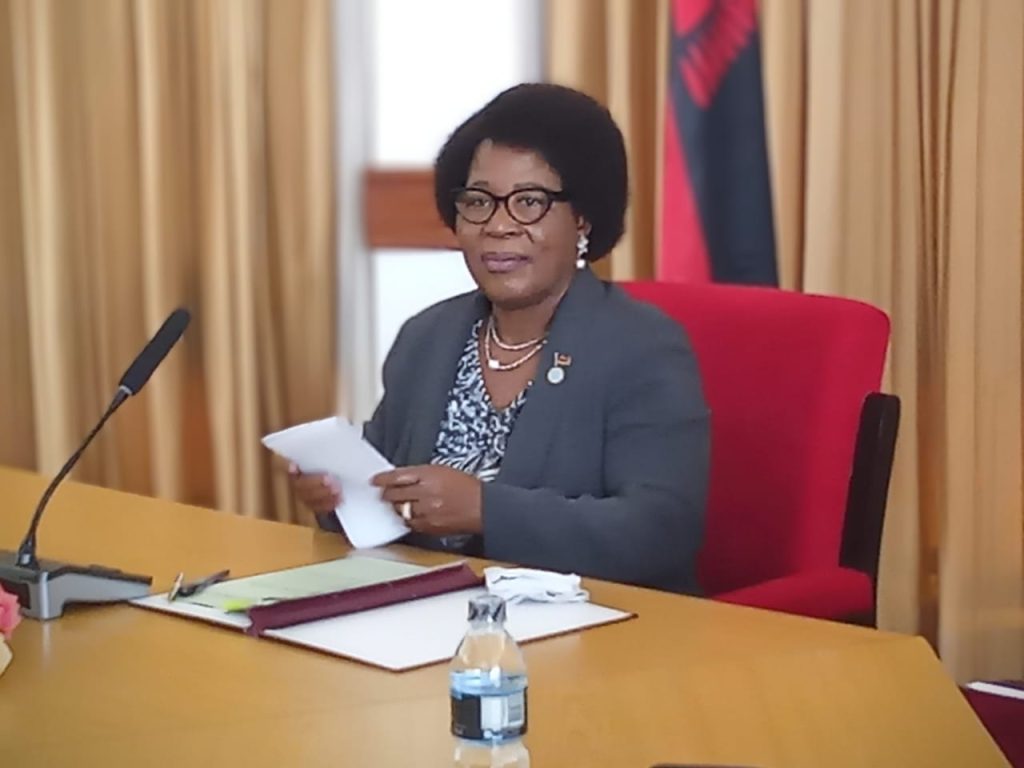
The Vice President thanked the delegation for their statement, commending President Professor Arthur Peter Mutharika’s commitment to peace.
She cited his handling of the 2019/2020 protests as an example, noting that he had chosen peace over violence.
Dr. Ansah emphasized the importance of young people in shaping Malawi’s future, saying, “I believe in change, especially in the young people – they are future leaders.”
She drew parallels between Malawi’s development and the founding principles of the United States, highlighting the role of faith in shaping the country’s history.
The church leaders’ visit underscores the critical role of faith-based organizations in promoting peace, unity, and development in Malawi and beyond.
It highlights the importance of collaboration between the church and government in driving national development and cohesion.