State House damage is real — Denials won’t wash
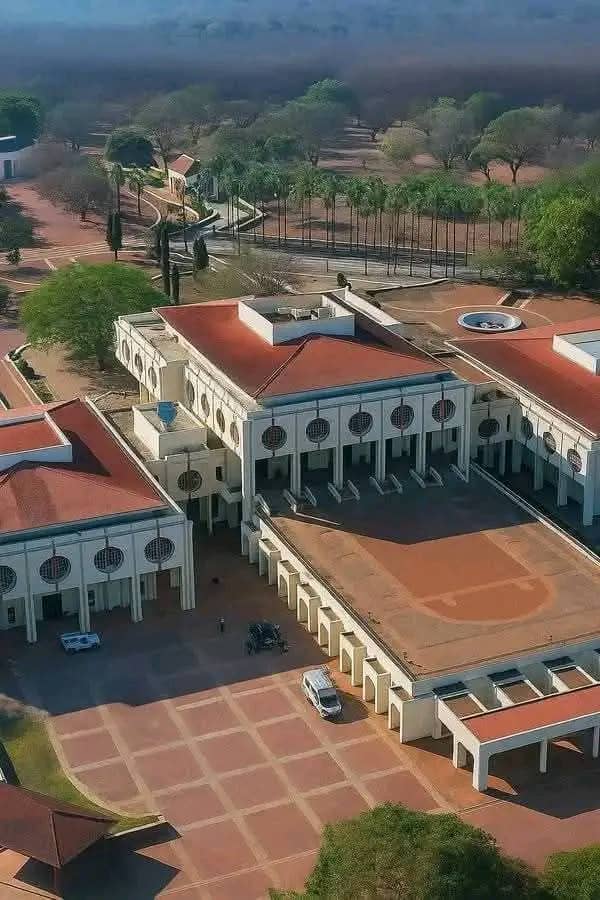
Evidence of vandalism across Malawi’s Presidential Residences demands truth and accountability, not political deflection
An independent inspection of Kamuzu Palace and other state residences found that gym equipment, television sets, decoders, plates, and refrigeration units were missing from the main presidential house.
Inspectors also documented deliberately smashed windows, dismantled air-conditioners, ripped carpets, removed chandeliers, and broken taps and sinks in staff quarters.
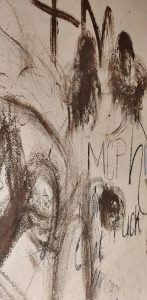
Investigators reported that one or more rooms bore marks consistent with human faeces smeared on the walls — a degrading act that cannot be dismissed as rumour.
Independent on-the-ground photographs and postings by civic groups and observers show rubbish strewn across the grounds and parched lawns at Kamuzu Palace, corroborating what the inspection teams described.
Separate news accounts and public statements by civil society and opposition figures describe similar vandalism at Sanjika, Chikoko Bay, Mzuzu, and other state residences, pointing to a pattern rather than an isolated allegation.
To claim that this is a “psychological preparation” for plunder without addressing the documented physical damage is to confuse motive with fact.
When multiple independent sources report the same physical evidence — missing property, smashed fittings, and damaged fences — the proper response is investigation, not blanket denial.
Those who insist there were never gym machines or TVs in 2020 should remember official maintenance reports and budget documents that long flagged dilapidated equipment and the need for replacements at State Residences.
Acknowledging that some equipment was lacking in earlier years does not refute the present, well-documented losses and acts of vandalism.
A responsible inquiry must therefore do three things: list all missing and damaged items; publish a timeline of when each residence was last occupied and by whom; and make public the inventories handed over by outgoing household managers.
Security lapses must be addressed transparently — a 24-hour guard post is meaningless if unauthorized people can access sensitive areas and remove property.
If particular political actors fear a politically motivated audit, the solution is openness: allow independent auditors, police forensics, and parliamentary oversight to inspect, catalogue, and report their findings.
Calling for patience while insisting “everything is intact” without releasing verifiable evidence only deepens public suspicion and fuels the very rumours opponents warn against.
Where evidence of wrongdoing is found, individuals — not entire institutions or political movements — should be held to account in their personal capacities, and due process should follow.
But where physical damage and loss are proven, the priority must be restitution, repair, and stronger safeguards to prevent a repeat — not rhetorical deflection.
Malawians deserve a sober, documented accounting of what was lost, who had access when the losses occurred, and what steps government will take to secure and preserve state property going forward.
Only then can the nation move beyond competing narratives and restore trust in the stewardship of its public assets.